How to Get Rid of Flying Ants: A Step-by-Step IPM Guide
Quick Action Plan: To get rid of flying ants, vacuum indoor swarmers right away, then identify the exact ant species before you choose any bait. Next, find and fix the source by sealing foundation cracks and window frames and repairing moisture leaks that attract carpenter ant colonies.
4-Step Visual IPM Removal & Exclusion Protocol
Follow Integrated Pest Management in order—verify the species, remove active individuals mechanically, seal indoor entry points, and modify outdoor habitat before considering any EPA-registered product.
 STEP 01
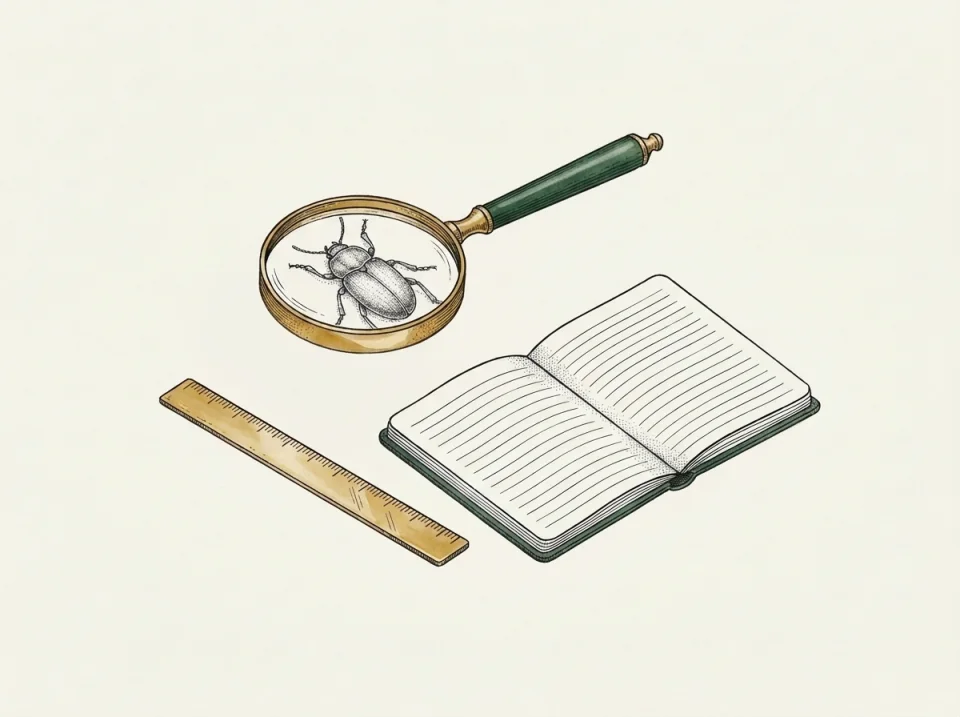
Confirm Species & Signs
Verify flying ants (4–18 mm) before choosing a treatment.
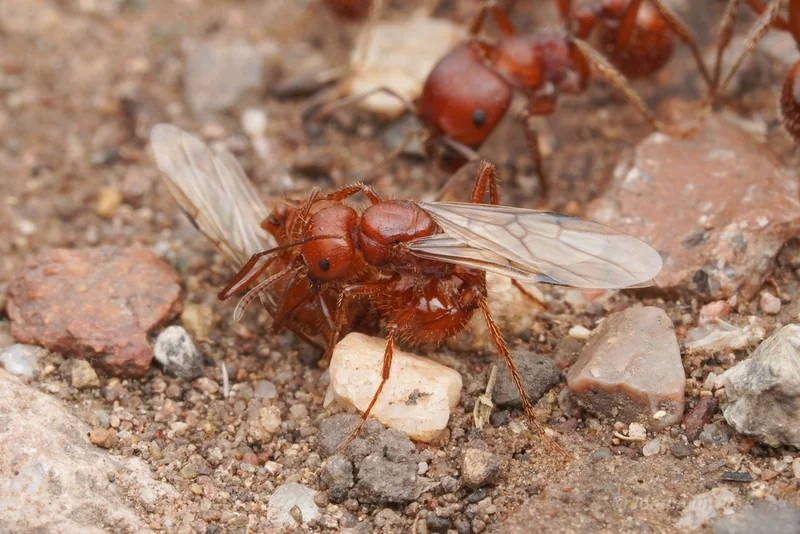
- Winged reproductive ants (alates) emerging in warm humid swarms to establish new colonies
- Key ID vs termites: distinctly ELBOWED antennae, pinched narrow waist, and unequal wings (front wings longer than hind wings)
 STEP 02
Non-Chemical Removal First
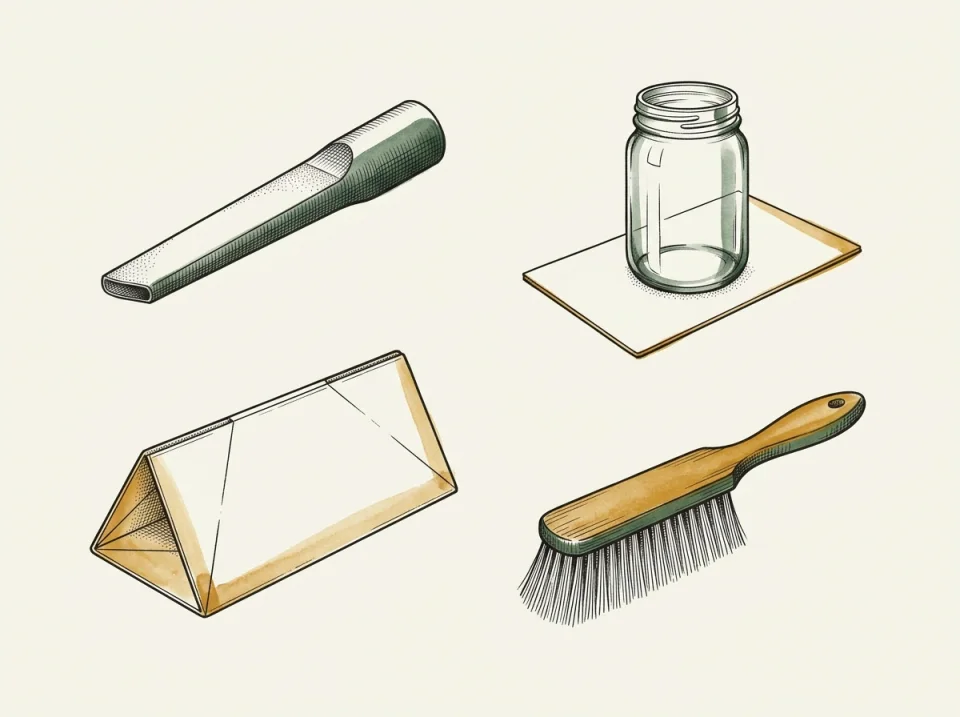
Start with mechanical removal, vacuuming, and traps to cut active numbers safely.
- Vacuum indoor swarmers immediately and identify the exact ant species before choosing any bait
 STEP 03
Home Exclusion Blueprint
Target indoor hiding spots: Windowsills and sliding glass doors when indoor colonies swarm toward sunlight.
- Seal foundation cracks and window frames; fix moisture leaks that attract indoor carpenter ant colonies
 STEP 04
Outdoor Perimeter & Moisture
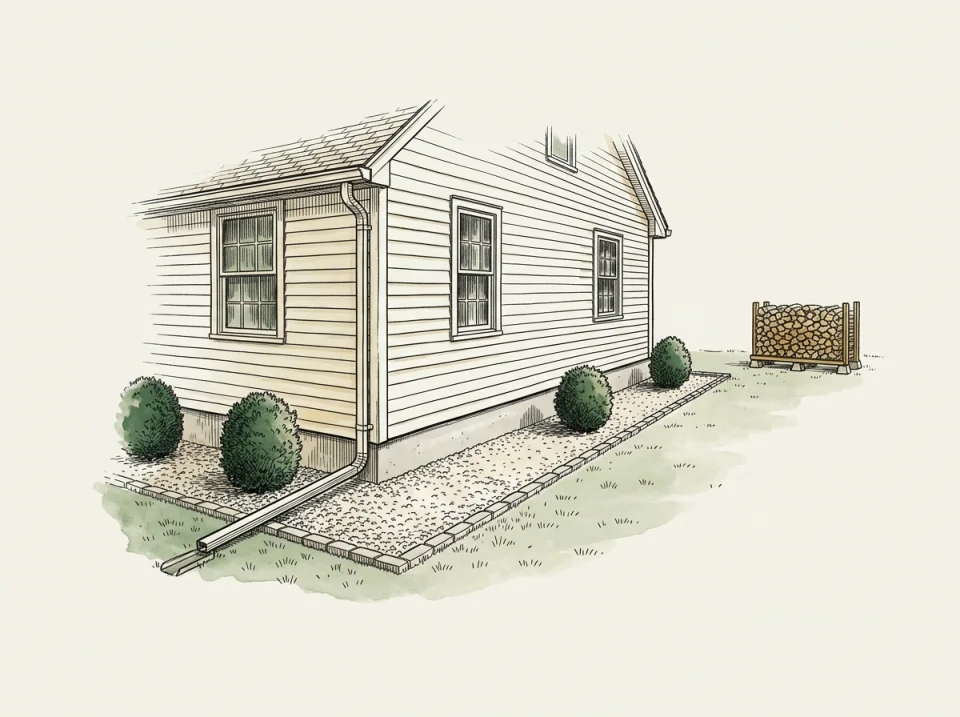
Inspect outdoor harboring zones: Lawns, sidewalk cracks, tree stumps, and garden beds.
- Seal foundation cracks and window frames; fix moisture leaks that attract indoor carpenter ant colonies
Non-Chemical Control First: Detailed Checklist
- Vacuum indoor swarmers immediately and identify the exact ant species before choosing any bait
Long-Term Prevention & Exclusion
- Seal foundation cracks and window frames; fix moisture leaks that attract indoor carpenter ant colonies
Confirm Flying Ants Size Before Treating
Quick Answer: To get rid of flying ants, vacuum indoor swarmers right away, then identify the exact ant species before you choose any bait. Next, find and fix the source by sealing foundation cracks and window frames and repairing moisture leaks that attract carpenter ant colonies. Flying ants are a nuisance pest, not a medical threat, but swarms indoors often signal a nest inside your home.
Flying ants are the winged reproductive members of an ant colony, called alates. They leave the nest in swarms to mate and start new colonies. Seeing a few outdoors is normal. Seeing dozens on your windowsill means you need a plan.
Step 1: Identify & Locate Harborages
Effective flying ant control starts with knowing what you're dealing with and where it's coming from. Many homeowners mistake flying ants for termite swarmers, and the treatment for each is very different. Penn State Extension recommends checking a few key features before you act.
Flying Ants vs. Termites
- Waist: Ants have a pinched, narrow waist. Termites have a thick, straight body.
- Antennae: Ant antennae are elbowed. Termite antennae are straight and beaded.
- Wings: Ant front wings are longer than the hind wings. Termite wings are equal in length and often extend well past the body.
If you find termite swarmers, contact a licensed pest professional promptly, since termites cause structural damage.
Where Flying Ants Hide Indoors
Indoor colonies swarm toward sunlight, so you'll usually spot them on windowsills and sliding glass doors. A swarm inside the house, especially in late winter or early spring, strongly suggests a nest within your walls, floors, or framing. Carpenter ants are a common culprit because they nest in damp or damaged wood.
Where Flying Ants Nest Outdoors
Outside, check the places ants naturally build colonies:
- Lawns and bare patches of soil
- Sidewalk and driveway cracks
- Tree stumps and decaying wood
- Garden beds and mulch near the foundation
Follow worker ants (the wingless ones) back to their entry point. Their trail often leads you straight to the nest.
Step 2: Non-Chemical Removal Methods First
The most reliable natural ways to get rid of flying ants are simple and safe. Swarmers don't bite or sting in a harmful way, and they live only a short time, so physical removal works well for the insects you can see.
- Vacuum swarmers immediately. Use a hose attachment along windows and door tracks, then empty the canister or seal and discard the bag outdoors.
- Wipe surfaces with soapy water. This removes pheromone trails that guide other ants indoors.
- Clean up food and crumbs. Store sweets and pet food in sealed containers and wipe counters nightly.
- Reduce indoor moisture. Run a dehumidifier in basements and crawl spaces, and ventilate damp areas.
- Remove outdoor harborage. Pull rotting stumps, clear woodpiles away from the house, and keep mulch a few inches from the foundation.
Keep in mind that vacuuming handles the swarm, not the colony. Flying ant removal is only complete once you find and address the nest that produced them.
Step 3: Long-Term Exclusion & Prevention
Learning how to prevent flying ants comes down to blocking entry points and removing the conditions that attract nesting colonies. These steps protect your home season after season.
- Seal foundation cracks with masonry caulk or patching compound.
- Caulk window frames and door frames, and replace worn weatherstripping.
- Fix moisture leaks under sinks, around tubs, at roof lines, and in gutters. Damp wood attracts indoor carpenter ant colonies.
- Replace water-damaged wood in sills, decks, and siding.
- Trim branches and shrubs so they don't touch your roof or walls, since ants use them as bridges.
- Direct downspouts away from the foundation to keep soil drier.
EPA-Registered Treatments & When to Call a Licensed Pro
If non-chemical steps don't stop the problem, targeted products can help. Always identify the exact ant species first, because different ants prefer different baits. A sugar-feeding ant may ignore a protein bait, and the wrong product can waste time and money.
Using Baits and Products Safely
- Choose EPA-registered ant baits labeled for your specific species.
- Place baits along worker ant trails, not on swarmers.
- Avoid spraying near baits, since sprays can repel ants before they carry bait back to the colony.
- Follow the EPA product label exactly. The label is the law and covers placement, dosage, and safety around kids and pets.
If anyone swallows an ant product, call US Poison Control at 1-800-222-1222.
When to Call a Licensed Professional
- Swarms keep appearing indoors after you've cleaned and sealed.
- You suspect carpenter ants or see sawdust-like debris near wood.
- You can't rule out termites.
- The nest is hidden inside walls or hard-to-reach areas.
A licensed pro can confirm the species, locate hidden nests, and recommend treatment that fits your home.
Getting Rid of Flying Ants: FAQs
Why do flying ants suddenly appear in my house?
Mature colonies release winged swarmers to mate. Indoor swarms usually mean a nest is inside your home, and the ants gather at windows and sliding doors because they're drawn to sunlight.
Are flying ants dangerous?
Flying ants are considered a nuisance pest. The bigger concern is what they signal, such as a carpenter ant colony damaging moist wood in your home.
Will flying ants go away on their own?
Individual swarmers die within a short time, but the colony that produced them remains. Without addressing the nest and moisture problems, swarms are likely to return.
What's the fastest way to remove flying ants indoors?
Vacuum them right away and wipe the area with soapy water to erase scent trails. Then seal gaps around windows and fix nearby leaks to stop new arrivals.
Extension & EPA Sources
Always read and follow the label directions on any EPA-registered pest control product.