How to Get Rid of American Cockroaches: A Step-by-Step IPM Guide
Quick Action Plan: To get rid of American cockroaches, start by finding where they hide, usually in damp basements, crawlspaces, floor drains, and boiler rooms. Then cut off moisture, install drain strainers, and use glue boards to track activity. Finish by sealing foundation gaps and, if needed, applying EPA-registered baits exactly as the label directs.
4-Step Visual IPM Removal & Exclusion Protocol
Follow Integrated Pest Management in order—verify the species, remove active individuals mechanically, seal indoor entry points, and modify outdoor habitat before considering any EPA-registered product.
 STEP 01
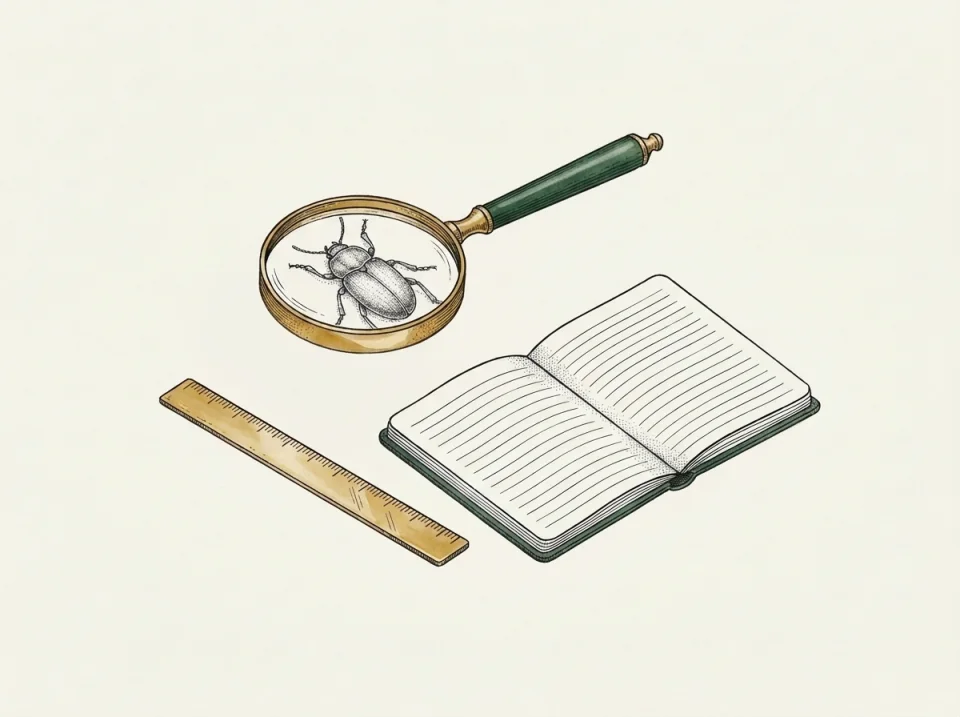
Confirm Species & Signs
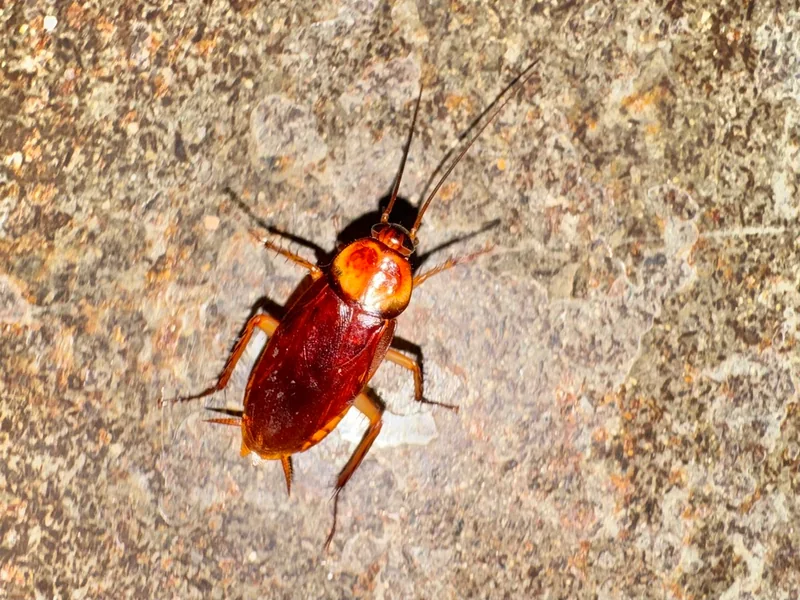
Verify american cockroaches (35–53 mm) before choosing a treatment.
- Large reddish-brown cockroach (up to 2 inches) with a pale yellow figure-8 halo around the pronotum
- Both sexes have fully developed wings and can glide/fly short distances in warm weather
 STEP 02
Non-Chemical Removal First
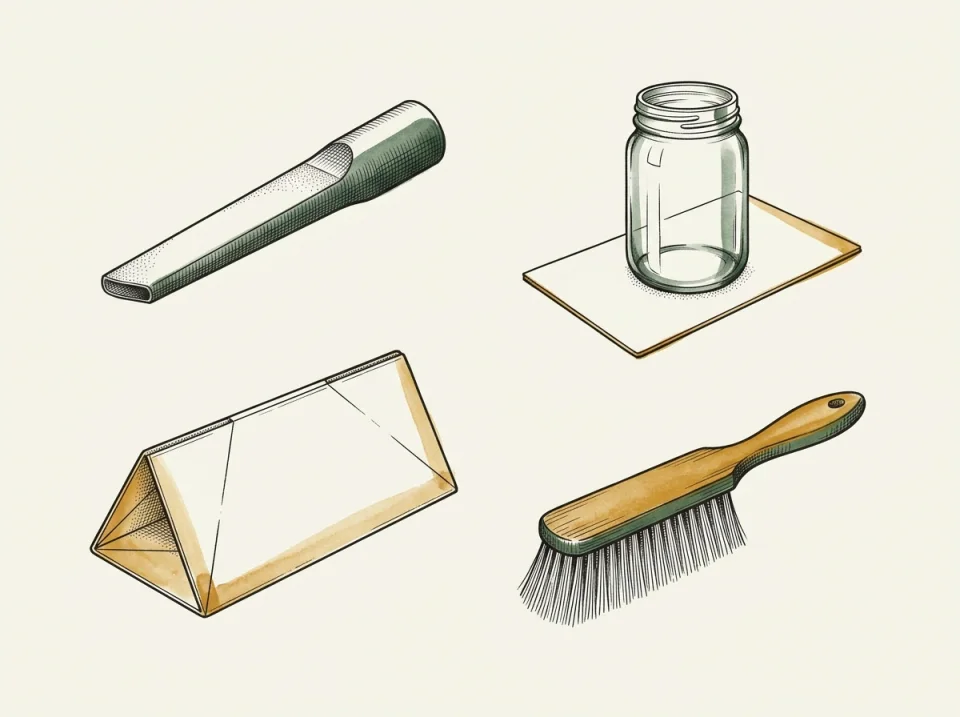
Start with mechanical removal, vacuuming, and traps to cut active numbers safely.
- Reduce basement moisture, install drain strainers, and use monitoring glue boards along foundation walls
 STEP 03
Home Exclusion Blueprint
Target indoor hiding spots: Basements, crawlspaces, laundry drains, and boiler rooms.
- Install mesh screens over floor drains and maintain wet P-traps
- Seal exterior foundation vents and door sweeps
 STEP 04
Outdoor Perimeter & Moisture
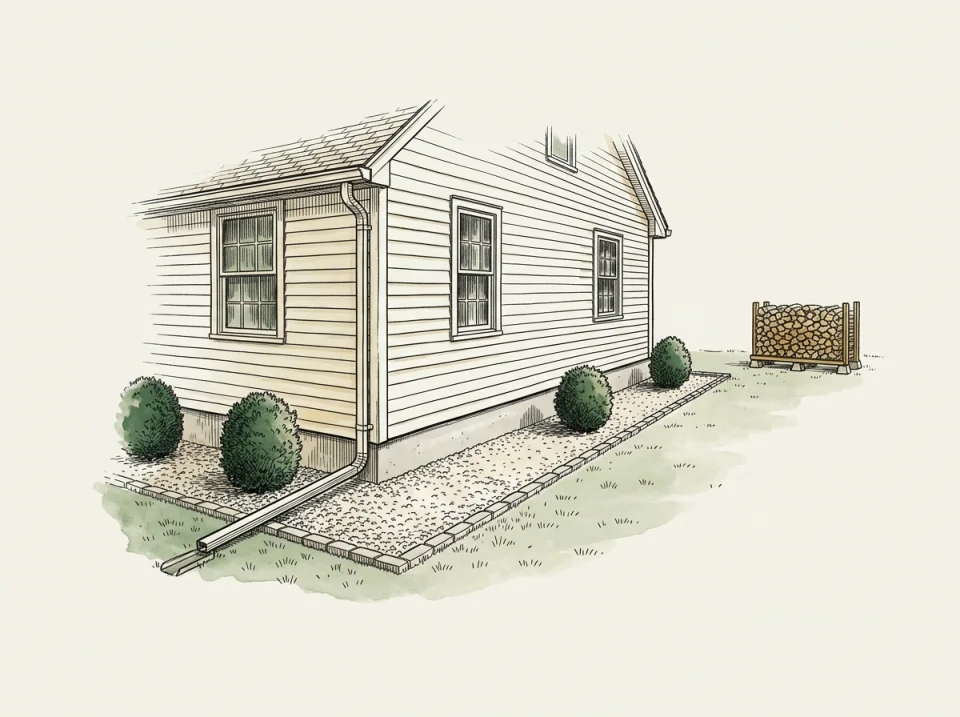
Inspect outdoor harboring zones: Storm sewers, palm trees, mulch beds, and damp leaf litter in warm states.
- Keep mulch and tree limbs trimmed away from siding
Non-Chemical Control First: Detailed Checklist
- Reduce basement moisture, install drain strainers, and use monitoring glue boards along foundation walls
Long-Term Prevention & Exclusion
- Install mesh screens over floor drains and maintain wet P-traps
- Seal exterior foundation vents and door sweeps
- Keep mulch and tree limbs trimmed away from siding
Confirm American Cockroaches Size Before Treating
Quick Answer: To get rid of American cockroaches, start by finding where they hide, usually in damp basements, crawlspaces, floor drains, and boiler rooms. Then cut off moisture, install drain strainers, and use glue boards to track activity. Finish by sealing foundation gaps and, if needed, applying EPA-registered baits exactly as the label directs.
Quick Action Plan
American cockroaches (Periplaneta americana) are a nuisance pest, not a dangerous one, but they're large, fast, and unsettling to find indoors. Effective American cockroach control follows three steps: locate harborages, remove the conditions they need, and block their way back in. Chemical products come last and should support those steps, not replace them.
Step 1: Identify & Locate Harborages
American cockroaches are reddish-brown and among the largest roaches you'll see in US homes. They prefer warm, humid, dark spaces and often travel indoors from sewers and outdoor debris. Finding where they live is the foundation of successful American cockroach removal.
Common Indoor Hiding Spots
- Basements: Especially near sump pits, water heaters, and damp corners.
- Crawlspaces: Moist soil and poor ventilation create ideal conditions.
- Laundry drains: Floor drains connect directly to sewer lines roaches use as highways.
- Boiler rooms: Warmth and pipe condensation attract them year-round.
Common Outdoor Sources
- Storm sewers: A major reservoir population in many cities.
- Palm trees: Fronds and trunk crevices shelter roaches in warm climates.
- Mulch beds: Thick, moist mulch against the foundation invites activity.
- Damp leaf litter: Particularly common in warm southern states.
Inspect at night with a flashlight, when these roaches are most active. Look for droppings, egg cases, and live insects near pipes, drains, and foundation walls.
Step 2: Non-Chemical Removal Methods First
The most effective natural ways to get rid of American cockroaches focus on removing what they need to survive. Moisture is the biggest factor, because these roaches dry out quickly without it. Start with these proven Integrated Pest Management (IPM) tactics.
Reduce Basement Moisture
Run a dehumidifier in basements and crawlspaces, and fix leaking pipes, dripping faucets, and condensation problems. Improve crawlspace ventilation and consider a vapor barrier over exposed soil. Drier spaces quickly become less appealing.
Install Drain Strainers
Fit fine strainers or covers on floor drains, laundry drains, and utility sinks. This blocks one of the most common routes from the sewer into your home. Clean them regularly so they don't clog.
Monitor With Glue Boards
Place sticky monitoring traps along foundation walls, behind appliances, and near drains. Check them weekly to see where roaches are concentrated and whether your efforts are working. Glue boards also remove some roaches, though they won't eliminate an established population alone.
Tighten Up Sanitation
- Store food and pet food in sealed containers.
- Wipe up crumbs and spills promptly.
- Remove clutter like cardboard boxes from basements and storage areas.
- Keep garbage in lidded bins and take it out often.
Step 3: Long-Term Exclusion & Prevention
Once activity drops, your goal is keeping roaches from returning. Learning how to prevent American cockroaches mostly comes down to sealing entry points and managing the area around your foundation.
- Screen floor drains and keep P-traps wet: Install mesh screens over floor drains. Pour water into rarely used drains every week or two so the P-trap holds a water seal that blocks sewer access.
- Seal foundation vents and doors: Cover exterior foundation vents with fine screening and add door sweeps to exterior doors. Caulk gaps around pipes, wires, and utility penetrations.
- Trim landscaping: Keep mulch pulled back from the foundation and trim tree limbs away from siding and the roof. This removes bridges and damp hiding spots near your home.
Keep a few glue boards in place year-round as an early warning system. A sudden increase in catches tells you to inspect for new moisture problems or gaps.
EPA-Registered Treatments & When to Call a Licensed Pro
If non-chemical steps don't solve the problem, targeted products can help. Gel baits and bait stations placed in cracks, near drains, and along harborage areas are usually the most precise option for homeowners. Always read and follow the EPA product label, which is the legal guide for where and how a product may be used.
- Choose products specifically labeled for cockroaches and for indoor or outdoor use as needed.
- Avoid spraying insecticide over baits, which can make them less attractive to roaches.
- Keep all products away from children, pets, and food prep surfaces.
Call a licensed pest control professional if you see roaches daily, find them in living areas despite your efforts, or suspect a sewer-connected source. Pros can treat exterior perimeters, crawlspaces, and drain systems, and they can spot structural issues you might miss.
Getting Rid of American Cockroaches: FAQs
Are American cockroaches dangerous?
American cockroaches are considered a nuisance pest. They can contaminate surfaces and food, so good sanitation and prompt control are still worth the effort.
Why do American cockroaches come up through drains?
They often live in storm and sanitary sewers and travel through dry drain lines. Keeping P-traps filled with water and covering drains with mesh screens blocks this route.
How long does it take to get rid of American cockroaches?
Many homeowners see fewer roaches within a few weeks of fixing moisture and sealing entry points. Heavier infestations with outdoor sources may take longer and benefit from professional help.
Do natural methods really work for American cockroaches?
Yes, moisture control, drain strainers, sealing gaps, and glue board monitoring form the core of lasting control. Baits used per EPA labels can support these steps when needed.
Extension & EPA Sources
Always read and follow the label directions on any EPA-registered pest control product.