Termite vs Bed Bug: How to Tell Them Apart and Which Is Worse
Quick ID Verdict: A bed bug is a flat, oval, wingless, reddish-brown insect about the size of an apple seed (4-7 mm), while a termite is a softer, straight-bodied insect (4-12 mm) with straight, bead-like antennae. If it hides in mattress seams and looks like a seed, it is a bed bug. If it is pale or winged and found near damp wood, it is likely a termite.
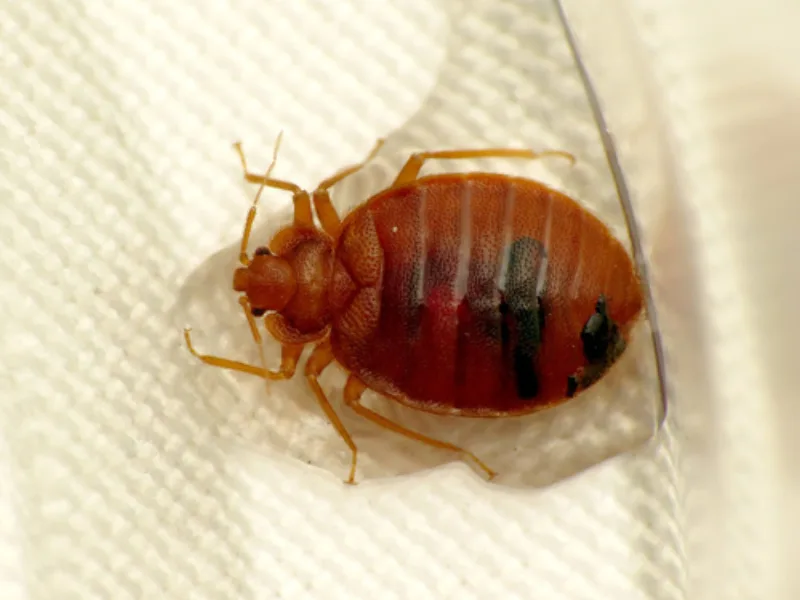
Bed Bug
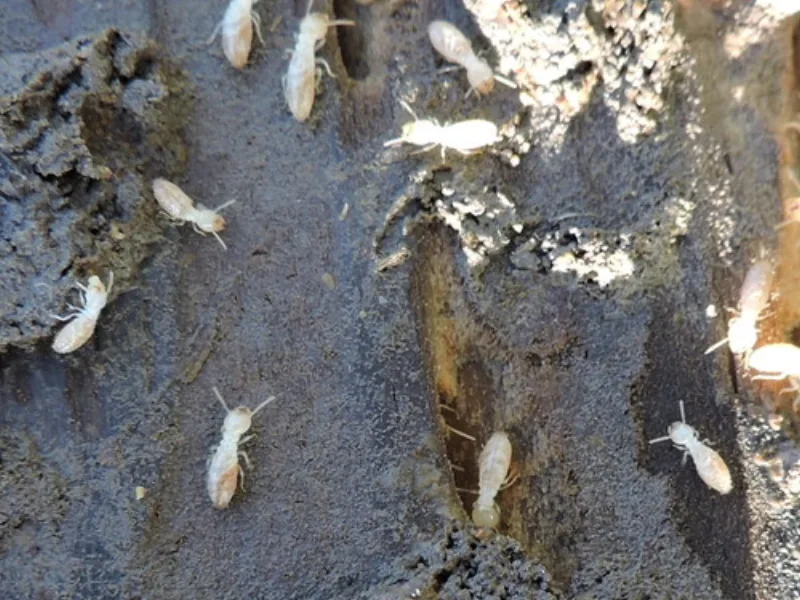
Termite
Side-by-Side Comparison Table
| Trait | Bed Bug | Termite |
|---|---|---|
| Scientific Group | Cimex lectularius | Blattodea (Isoptera) |
| Category | Insect | Insect |
| Typical Size | 4–7 mm | 4–12 mm |
| Danger Level | Nuisance | Structural |
| Bites or Stings? | Yes | No |
| Peak US Months | May, July, October, November | April, May |
| Key ID Trait | Flat, oval, apple-seed-shaped reddish-brown body without wings | Straight, bead-like antennae (unlike the elbowed antennae of ants) |
Bed Bug vs. Termite: True Size Comparison
Side-by-Side Anatomy Blueprint
Compare body segments, antennae, leg count, and key markings directly before treating or removing either species.
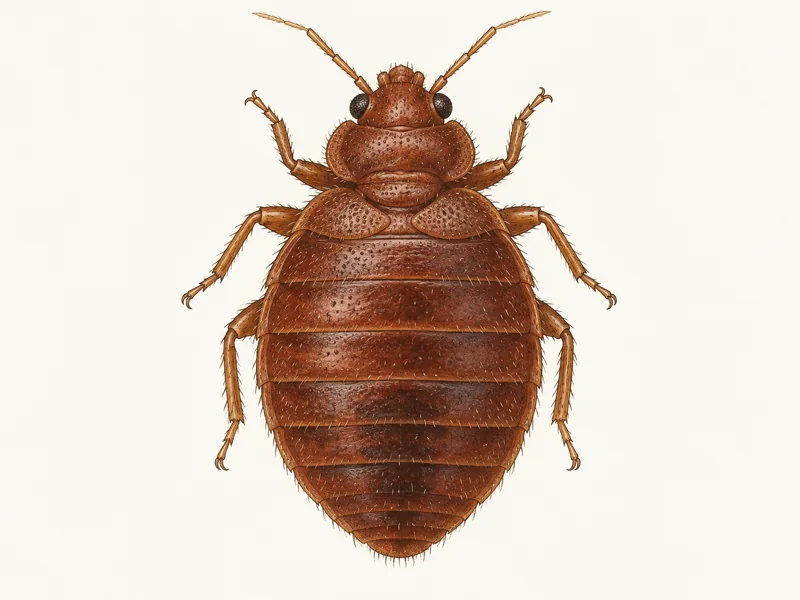
- Short 4-part antennae: Compact head with dark compound eyes and short 4-segmented antennae (shorter than roach feelers).
- Scalloped pronotum: Curved collar plate behind the head followed by tiny stubby wing pads—bed bugs cannot fly.
- Six short legs: Three pairs of short crawling legs suited for clinging to mattress piping and wood cracks.
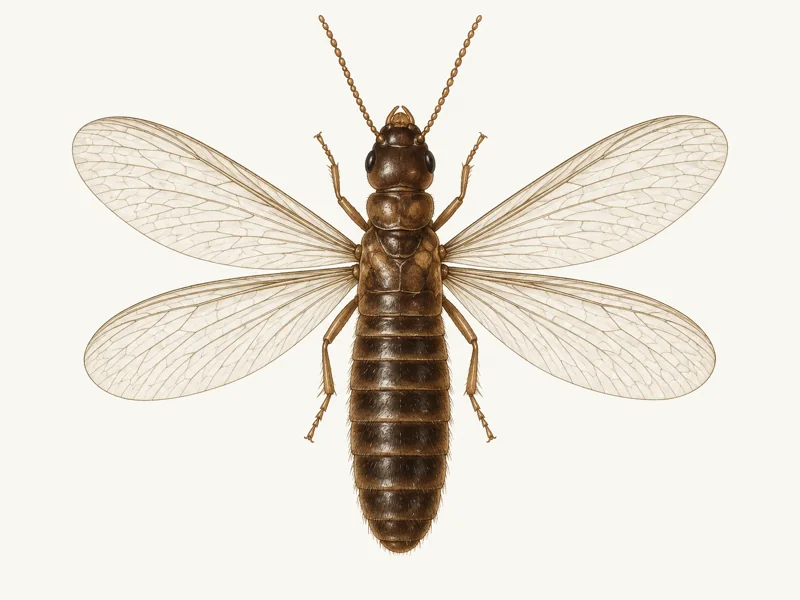
- Straight antennae: Straight, bead-like (moniliform) antennae—never sharply bent like ant antennae.
- Four equal wings: Two pairs of equal-length translucent veined wings extending far past the abdomen (shed easily).
- Six insect legs: Three pairs of slender crawling legs beneath the pale translucent wings.
Quick Answer: A bed bug is a flat, oval, wingless, reddish-brown insect about the size of an apple seed (4-7 mm), while a termite is a softer, straight-bodied insect (4-12 mm) with straight, bead-like antennae. If it hides in mattress seams and looks like a seed, it is a bed bug. If it is pale or winged and found near damp wood, it is likely a termite.
Telling a bed bug from a termite matters because the two pests cause very different problems. Bed bugs are a biting nuisance, while termites threaten the structure of a home. This guide explains bed bug vs termite identification, behavior, and control in plain terms.
Key Visual & Physical Differences
The main difference between a bed bug and a termite comes down to body shape, color, and antennae. Use a flashlight and a magnifying glass for the clearest look. A clear photo can also help a pest professional confirm the ID.
Bed Bugs (Cimex lectularius)
- Size: 4-7 mm as adults, roughly the size of an apple seed.
- Shape: Very flat and oval when unfed, becoming plumper and longer after a blood meal.
- Color: Reddish-brown, darkening after feeding.
- Wings: None. Bed bugs cannot fly or jump.
Termites (Blattodea, formerly Isoptera)
- Size: 4-12 mm, depending on species and caste.
- Shape: Soft, straight-sided body with a broad waist and no pinched middle.
- Antennae: Straight and bead-like, unlike the elbowed antennae of ants.
- Color and wings: Workers are pale or creamy. Swarmers are darker and carry two pairs of equal-length wings that break off easily.
Three-second test: Look at the outline and antennae. A flat, seed-shaped, wingless body points to a bed bug. Straight bead-like antennae and a thick waist point to a termite.
Behavior, Habitat & Danger Comparison
Where an insect turns up is often as telling as what it looks like. Bed bugs follow people, while termites follow wood and moisture.
Where Bed Bugs Live
Bed bugs hide close to where people sleep or sit for long periods. Common spots include mattress seams, box springs, headboards, couch cushions, and cracks behind outlet covers. They feed on human blood, mostly at night, and travel in luggage, used furniture, and clothing.
Signs include tiny dark fecal spots on sheets, shed skins, and rust-colored stains. Bites often appear in lines or clusters, but bite marks alone cannot confirm bed bugs.
Where Termites Live
Termites live in colonies in soil or inside wood. Subterranean termites build pencil-width mud tubes along foundations, while drywood termites leave small piles of pellet-like droppings. Swarmers often appear near windows and doors in spring, leaving discarded wings behind.
Termites do not bite people or feed on blood. They eat cellulose in wood, paper, and some building materials, often unseen for years.
Danger at a Glance
- Bed bugs: Nuisance pest. Bites cause itching and lost sleep, but bed bugs are not known to spread disease.
- Termites: Structural pest. Colonies can weaken framing, flooring, and supports over time.
Anyone with a severe skin reaction should see a doctor. For questions about any pesticide exposure, call US Poison Control at 1-800-222-1222.
Which One Is Worse for Homeowners?
The answer depends on what a homeowner values most. Bed bugs are worse for daily comfort and peace of mind. Termites are worse for property value and repair costs, since damage can grow quietly for years.
Non-Chemical First Steps for Bed Bugs
- Wash bedding and clothing in hot water and dry on high heat for at least 30 minutes.
- Vacuum seams, cracks, and furniture, then seal and discard the bag outdoors.
- Use zippered mattress and box spring encasements.
- Reduce clutter and inspect secondhand furniture before bringing it inside.
Non-Chemical First Steps for Termites
- Fix leaks and keep gutters and downspouts directing water away from the foundation.
- Keep firewood, mulch, and wood debris away from the home.
- Maintain a gap between soil and wood siding or framing.
- Schedule an annual professional termite inspection.
Both pests usually require professional help once established. If treatments are used, choose registered products and follow EPA product labels exactly.
Frequently Asked Questions
Can a termite be mistaken for a bed bug?
Rarely, because bed bugs are flat, oval, and wingless, while termites have straight bodies and bead-like antennae. Confusion is more common with winged termites and flying ants.
Do termites bite people like bed bugs?
No. Termites feed on wood and other cellulose, not blood. Bed bugs are the ones that bite sleeping people.
Can bed bugs damage a home's structure?
No. Bed bugs cause stains and discomfort but do not eat wood. Structural damage points to termites or other wood-destroying insects.
How can someone tell if it is a bed bug or a termite?
Check the location and shape. A seed-shaped bug in bedding is likely a bed bug, while a pale insect near damp wood or mud tubes is likely a termite.