Bed Bug vs Flea: How to Tell Which Pest Is Biting You
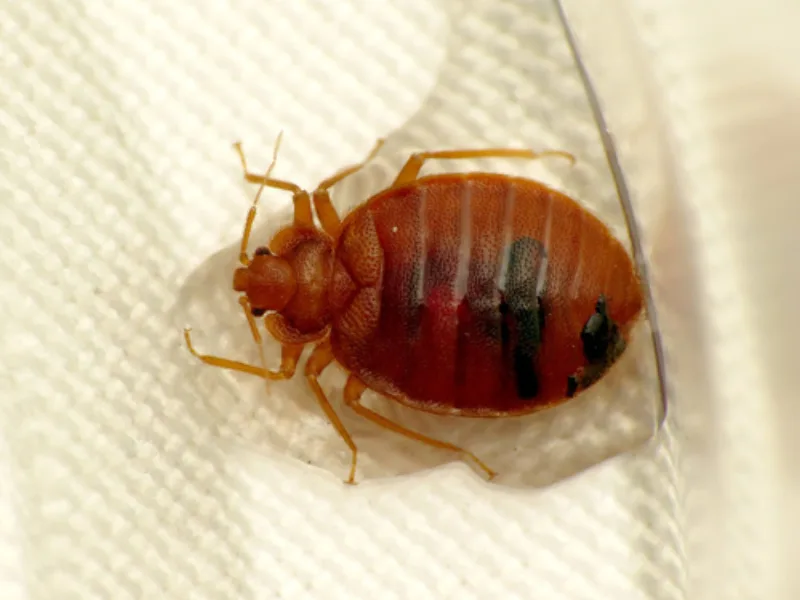
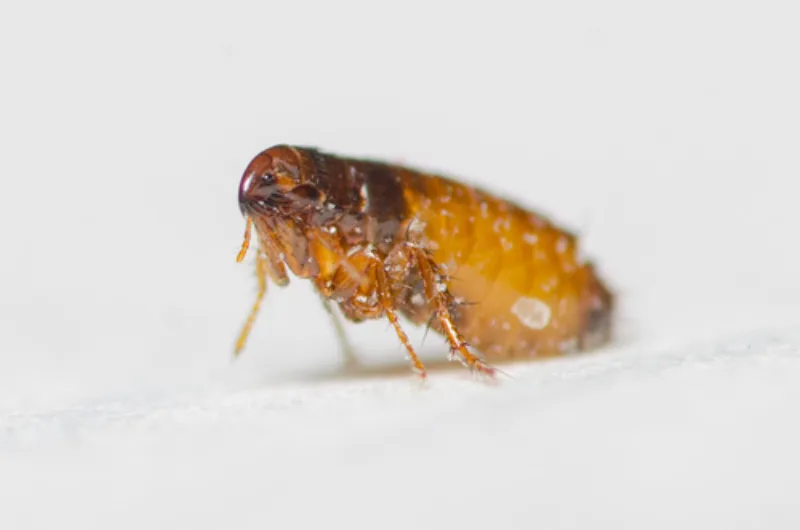
Quick ID Verdict: If the insect is flat, oval, and shaped like an apple seed (4–7 mm), it's a bed bug. If it's a tiny (1–3 mm) dark speck that's squeezed thin from side to side and jumps away, it's a flea.
Bed Bug
Flea
Side-by-Side Comparison Table
| Trait | Bed Bug | Flea |
|---|---|---|
| Scientific Group | Cimex lectularius | Siphonaptera |
| Category | Insect | Insect |
| Typical Size | 4–7 mm | 1–3 mm |
| Danger Level | Nuisance | Nuisance |
| Bites or Stings? | Yes | Yes |
| Peak US Months | May, July, October, November | June, July, August, September |
| Key ID Trait | Flat, oval, apple-seed-shaped reddish-brown body without wings | Tiny, wingless, dark reddish-brown insect compressed side-to-side |
Bed Bug vs. Flea: True Size Comparison
Side-by-Side Anatomy Blueprint
Compare body segments, antennae, leg count, and key markings directly before treating or removing either species.
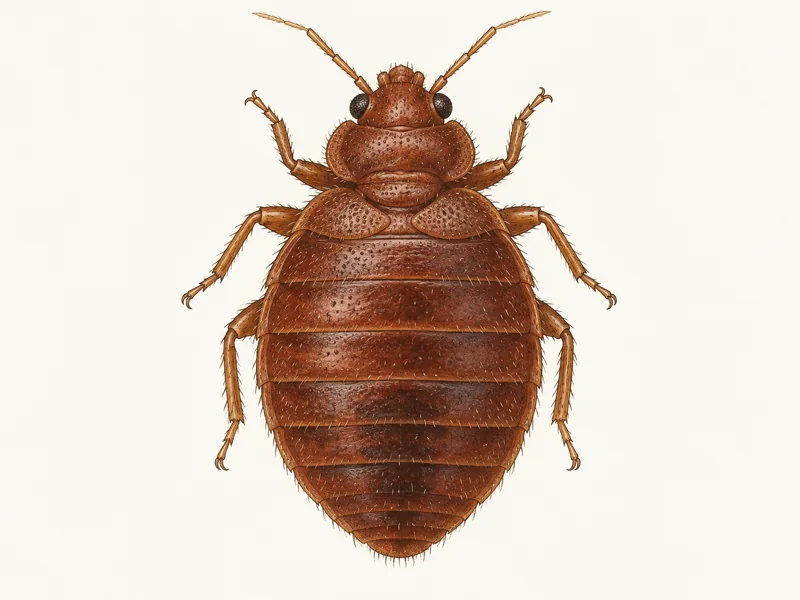
- Short 4-part antennae: Compact head with dark compound eyes and short 4-segmented antennae (shorter than roach feelers).
- Scalloped pronotum: Curved collar plate behind the head followed by tiny stubby wing pads—bed bugs cannot fly.
- Six short legs: Three pairs of short crawling legs suited for clinging to mattress piping and wood cracks.
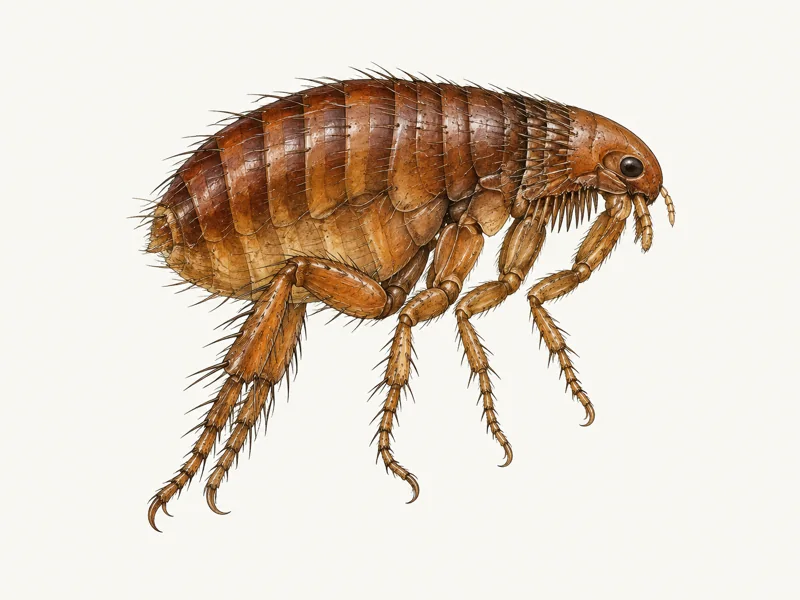
- Flattened armored plates: Laterally compressed wingless 1.5–3 mm glossy mahogany body glides effortlessly through fur.
- Head comb (ctenidia): Tiny eye, tucked antennae, and backward-pointing bristle comb anchor tightly in pet hair.
- Massive hind jumping legs: Powerfully enlarged muscular hind legs launch fleas up to 150× their body length.
Quick ID verdict: If the insect is flat, oval, and shaped like an apple seed (4–7 mm), it's a bed bug. If it's a tiny (1–3 mm) dark speck that's squeezed thin from side to side and jumps away, it's a flea.
That three-second check settles most bed bug vs flea questions. The rest of this guide covers bites, hiding spots, seasonal patterns, and safe Integrated Pest Management (IPM) steps for each pest.
Key Differences Between Bed Bugs and Fleas at a Glance
Both pests are wingless blood feeders, and both are classified as nuisance pests rather than dangerous ones. The practical difference between bed bug and flea problems comes down to size, body shape, and where the pest lives.
Key Visual & Physical Differences
TraitBed Bug (Cimex lectularius)Flea (Siphonaptera)Size4–7 mm1–3 mmShapeFlat, oval, apple-seed-shapedCompressed side-to-sideColorReddish-brownDark reddish-brownWingsNoneNoneDanger levelNuisanceNuisance
Bed Bug vs Flea Identification by Appearance and Movement
Bed bug vs flea identification gets easy once the insect moves. Bed bugs crawl slowly and steadily, a bit like a tick. They can't jump or fly. After feeding, their flat bodies swell and turn darker red.
Fleas are built for speed. Their side-to-side flattening lets them slip between pet hairs, and powerful hind legs launch them many times their body length. If the insect vanishes the moment someone tries to pinch it, it's almost certainly a flea.
Comparing Bites: Patterns, Locations, and Symptoms
Bites alone aren't a reliable way to decide bed bug or flea, but patterns offer clues:
- Bed bug bites often appear on skin exposed during sleep, such as the arms, neck, face, and shoulders. They may show up in lines or small clusters.
- Flea bites usually land on the ankles and lower legs. They're often small, itchy red bumps that appear in groups.
Reactions vary widely from person to person, and some people don't react at all. Anyone with spreading redness, signs of infection, or an allergic reaction should see a doctor. For urgent concerns, US Poison Control is available at 1-800-222-1222.
Where Each Pest Hides and Signs of an Infestation
Behavior, Habitat & Danger Comparison
Bed bugs live near people, not animals. They hide in mattress seams, box springs, headboards, and furniture cracks, coming out at night to feed. Signs include:
- Rusty or dark spots on sheets
- Shed skins and tiny pale eggs
- A musty odor in heavy infestations
Fleas depend on hosts like dogs and cats, and sometimes wildlife. Adults ride on the animal while eggs and larvae develop in carpets, pet bedding, and shaded yard areas. Look for scratching pets and "flea dirt," black specks that turn reddish when dampened on a white paper towel.
Seasonal Activity and Presence Across US Homes
Bed bugs are found in all 50 states and stay active year-round indoors, since heated homes give them steady conditions. Travel season and moving often trigger new introductions through luggage and used furniture.
Fleas also occur nationwide but follow the weather more closely. They peak in warm, humid months, especially across the Southeast and Gulf Coast. In northern states, activity slows outdoors in winter, though indoor populations can persist where pets live.
Safe IPM Strategies to Eliminate Bed Bugs or Fleas
IPM starts with non-chemical steps, then adds targeted products only when needed.
For bed bugs:
- Wash bedding and clothing in hot water, then dry on high heat for at least 30 minutes
- Vacuum seams and crevices, then seal and discard the vacuum bag outside
- Install encasements on mattresses and box springs
- Reduce clutter and seal cracks near beds
For fleas:
- Treat pets with a veterinarian-recommended product
- Vacuum carpets and furniture daily during an outbreak
- Wash pet bedding weekly
- Mow and clear shaded, moist yard spots where larvae thrive
If a pesticide is used, follow the EPA product label exactly. The label is the law.
When to Call a Pest Management Professional
Which One Is Worse for Homeowners?
Both are nuisance pests, but bed bugs are usually the harder problem. They hide deep in furniture, resist many store-bought products, and spread through multi-unit buildings. Fleas tend to fade quickly once pets are treated and the home is cleaned consistently.
Homeowners should call a licensed pro when:
- Bed bugs are confirmed anywhere in the home
- Fleas keep returning after 4–6 weeks of IPM
- An apartment or attached unit is involved
Professionals can use heat treatments and inspections that DIY methods can't match.
Frequently Asked Questions
What's the quickest way to tell if I have bed bugs or fleas?
The fastest check: Bed bugs are flat, oval, apple-seed-shaped (4–7 mm) and crawl slowly. Fleas are tiny (1–3 mm), compressed side-to-side, and jump away instantly. If it jumps, it's a flea; if it crawls, it's likely a bed bug.
Where do bed bugs and fleas hide in a home?
Bed bugs hide in mattress seams, box springs, headboards, and furniture cracks, coming out at night. Fleas live on pets and develop in carpets, pet bedding, and yard areas. This difference makes identifying which pest you have essential for treatment.
How can I identify bed bug or flea bites on my skin?
Bed bug bites appear on exposed skin during sleep (arms, neck, face) in lines or clusters. Flea bites usually hit ankles and lower legs as small, itchy red bumps in groups. However, reactions vary widely, so location is just a clue, not definitive proof.
What are the signs of a bed bug or flea infestation?
For bed bugs, look for rusty spots on sheets, shed skins, pale eggs, and musty odors. For fleas, watch for excessive pet scratching and 'flea dirt'—black specks that turn reddish when dampened on white paper. These signs help confirm which pest you're dealing with.
Which pest is worse: bed bugs or fleas?
Bed bugs are typically harder to eliminate because they hide deep in furniture, resist many products, and spread through multi-unit buildings. Fleas fade quickly once pets are treated and the home is cleaned. Both are nuisance pests, but bed bugs require more aggressive intervention.
Can fleas live on humans or only on pets?
Fleas depend on animal hosts like dogs and cats and sometimes wildlife. While fleas may bite humans temporarily, they don't live on people. Bed bugs, conversely, depend entirely on humans and live in furniture near sleeping areas, not on animals.