Bed Bug vs Carpet Beetle: How to Tell Which Pest Is in Your Home
Quick ID Verdict: Finding a tiny bug near the bed is enough to make any homeowner lose sleep. The bed bug vs carpet beetle question is one of the most common identification mix-ups in US homes. One is a blood-feeding hitchhiker, and the other is a fabric-chewing scavenger.
Bed Bug
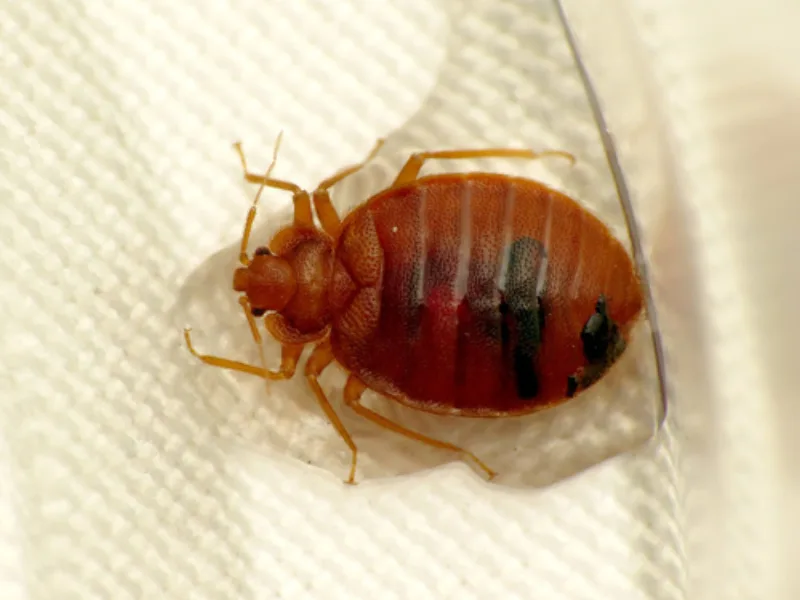
Carpet Beetle
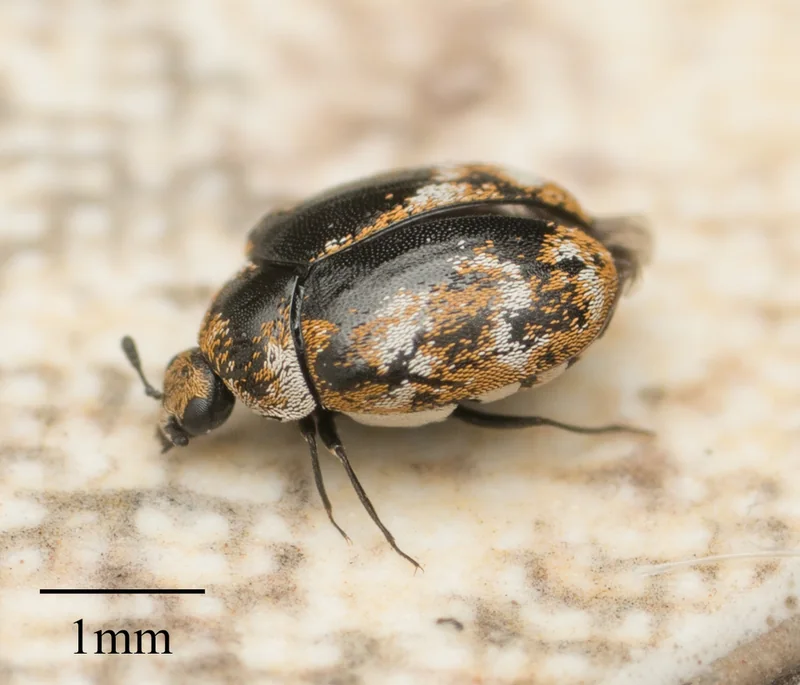
Side-by-Side Comparison Table
| Trait | Bed Bug | Carpet Beetle |
|---|---|---|
| Scientific Group | Cimex lectularius | Anthrenus verbasci |
| Category | Insect | Insect |
| Typical Size | 4–7 mm | 2–4 mm |
| Danger Level | Nuisance | Nuisance |
| Bites or Stings? | Yes | No |
| Peak US Months | May, July, October, November | March, April, May |
| Key ID Trait | Flat, oval, apple-seed-shaped reddish-brown body without wings | Tiny round beetle mottled in white, brown, and yellow scales (varied carpet beetle) |
Bed Bug vs. Carpet Beetle: True Size Comparison
Side-by-Side Anatomy Blueprint
Compare body segments, antennae, leg count, and key markings directly before treating or removing either species.
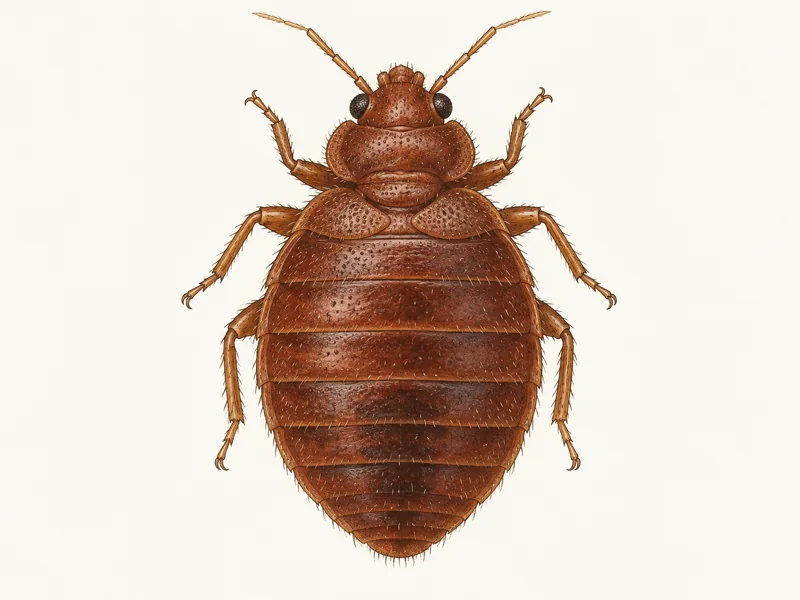
- Short 4-part antennae: Compact head with dark compound eyes and short 4-segmented antennae (shorter than roach feelers).
- Scalloped pronotum: Curved collar plate behind the head followed by tiny stubby wing pads—bed bugs cannot fly.
- Six short legs: Three pairs of short crawling legs suited for clinging to mattress piping and wood cracks.
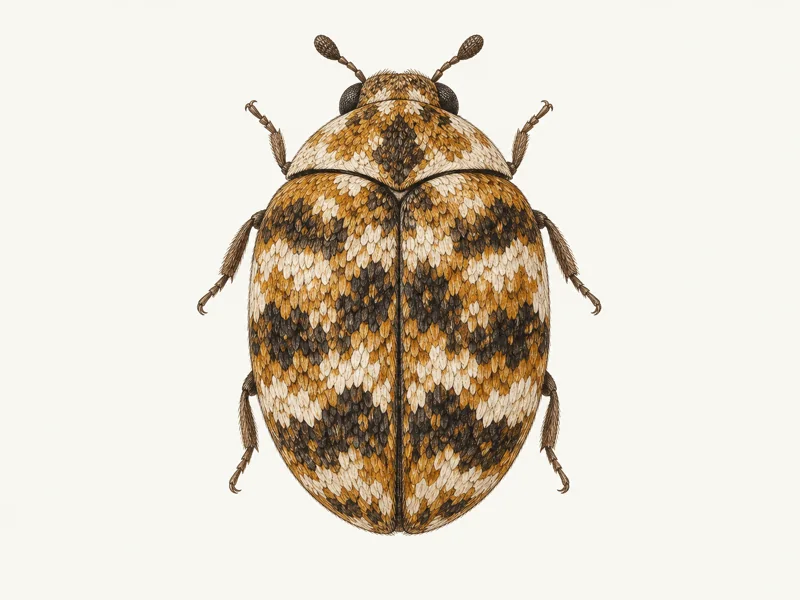
- Short clubbed antennae: Tiny tucked head and short clubbed feelers—completely different from bed bugs.
- Rounded oval dome: Plump ladybug-like 2–3.5 mm silhouette; adults fly to windowsills for pollen.
- Six short tucked legs: Delicate brownish legs pull tightly beneath the armored body when disturbed.
Quick ID verdict: A flat, oval, reddish-brown, wingless bug the size of an apple seed is a bed bug. A tiny, round beetle mottled with white, brown, and yellow scales is a carpet beetle.
Key Differences Between Bed Bugs and Carpet Beetles at a Glance
The difference between bed bug and carpet beetle starts with body shape, but it doesn't end there. Diet, life stages, and the marks they leave behind all point in different directions.
FeatureBed Bug (Cimex lectularius)Varied Carpet Beetle (Anthrenus verbasci)Adult size4–7 mm2–4 mmShapeFlat, oval, apple-seed-likeRound, domedColorReddish-brownMottled white, brown, and yellow scalesWingsNoneYes, adults can flyDietHuman bloodLarvae eat wool, silk, feathers, lintDanger levelNuisanceNuisance
Identifying Adults and Larvae by Size, Shape, and Color
Adult bed bugs are larger and flatter, roughly 4–7 mm long, and they swell and darken after feeding. Their young aren't larvae at all. Bed bugs develop through nymphs, which look like smaller, paler versions of the adults.
Carpet beetles are different. Adults are just 2–4 mm and look like tiny speckled ladybugs. Their larvae are the real damage-doers: elongated, carrot-shaped, and covered in bristly brown hairs. Many people describe them as "tiny fuzzy worms" crawling along baseboards.
Bites vs Skin Irritation: What the Marks Really Mean
Bed bugs bite. The welts often appear in lines or small clusters on skin exposed during sleep, such as arms, neck, and shoulders.
Carpet beetles don't bite. But, the hairs on their larvae can irritate sensitive skin and cause itchy, rash-like bumps that people often mistake for bites. Because skin reactions vary so widely, a doctor should evaluate any persistent rash. Bug identification, not the mark itself, is the reliable way to know which pest is present.
Telltale Signs of Infestation and Where Each Pest Hides
When homeowners can't catch the insect itself, the evidence it leaves behind usually settles the bed bug or carpet beetle debate.
Bed bug signs:
- Rust-colored or dark spots on sheets and mattress seams
- Shed skins and tiny pale eggs in crevices
- A musty, sweetish odor in heavy infestations
- Hiding spots in mattress seams, box springs, headboards, and furniture joints near where people sleep
Carpet beetle signs:
- Irregular holes in wool sweaters, rugs, or upholstery
- Bristly shed larval skins in closets and drawers
- Adults gathered on windowsills, drawn to light
- Hiding spots under carpet edges, in air ducts, closets, stored fabrics, and behind furniture where lint and pet hair collect
In short, bed bugs stay close to their human host. Carpet beetles follow their food source, which is anywhere animal-based fibers and debris accumulate.
Seasonal Activity and Where They Show Up Across the US
Bed bugs have been reported in all 50 states. Because they live indoors and feed on people, they stay active year-round, though infestations often spike after summer travel when luggage brings hitchhikers home.
The varied carpet beetle is also widespread across the US. Its timing, though, is far more seasonal:
- Spring and early summer: Adults fly outdoors to feed on flower pollen and often enter homes through open windows or on cut flowers.
- Summer through winter: Larvae feed quietly indoors, sometimes for many months, before pupating.
So a sudden cluster of small speckled beetles on a sunny windowsill in April or May almost always points to carpet beetles, not bed bugs. That seasonal clue makes bed bug vs carpet beetle identification much easier.
Safe IPM Strategies to Control Each Pest
Integrated Pest Management (IPM) puts exclusion, sanitation, and monitoring ahead of chemicals. Both pests respond well to these steps.
For bed bugs:
- Wash and dry bedding and clothing on the highest heat setting the fabric allows
- Encase mattresses and box springs in bed bug–proof covers
- Reduce clutter around the bed to eliminate hiding spots
- Inspect luggage and secondhand furniture before bringing them inside
- Use interceptor traps under bed legs to monitor activity
For carpet beetles:
- Vacuum carpets, baseboards, closets, and under furniture often, then discard the bag
- Dry-clean or launder wool and natural-fiber items before storing them
- Store fabrics in sealed plastic bins
- Fit window screens and check cut flowers before bringing them indoors
- Remove pet hair, lint, and old bird or insect nests
If an insecticide becomes necessary, homeowners should choose a product registered for that specific pest and follow the EPA product label exactly. The label is the law, and misapplication can harm people and pets without solving the problem.
When to Call a Pest Management Professional
Bed bugs are notoriously hard to eliminate with DIY efforts alone. They hide in tiny cracks, survive long periods without feeding, and many populations resist common over-the-counter products. Most homeowners benefit from a licensed professional at the first confirmed sighting.
Carpet beetles are usually manageable with steady cleaning. A professional makes sense when damage keeps spreading after several weeks of IPM, or when valuable rugs, heirlooms, or collections are at risk. Overall, bed bugs are the more stressful and costly problem, while carpet beetles are mainly a threat to fabrics.
Frequently Asked Questions
What's the main difference between a bed bug and a carpet beetle?
Bed bugs are flat, oval, reddish-brown, wingless insects 4–7 mm long that feed on human blood. Carpet beetles are round, domed, 2–4 mm, mottled with white and brown scales, and can fly. Carpet beetle larvae damage fabrics like wool and silk, not people.
How can I tell if I have bed bugs or carpet beetles by their bites?
Bed bugs bite and leave welts in lines or clusters on exposed skin. Carpet beetles don't bite; their larvae's bristly hairs may cause itchy rashes. Bug identification is more reliable than skin marks, so examine the actual insect or consult a doctor for persistent rashes.
What signs indicate a bed bug infestation versus carpet beetle damage?
Bed bug signs include rust-colored spots on sheets, shed skins in mattress seams, and musty odors. Carpet beetle signs are irregular holes in wool items, bristly shed larval skins in closets, and adults on windowsills. Bed bugs hide near sleeping areas; carpet beetles hide where fibers and lint accumulate.
When are carpet beetles most active in homes?
Carpet beetles are highly seasonal. Adults emerge in spring and early summer, flying in through windows or arriving on cut flowers to feed on pollen. Larvae feed indoors through summer and winter before pupating, making spring windowsill sightings a carpet beetle indicator, not bed bugs.
What's the best way to prevent bed bug and carpet beetle infestations?
For bed bugs: wash bedding on high heat, use mattress encasements, inspect luggage and secondhand furniture, and reduce clutter. For carpet beetles: vacuum frequently, store wool items in sealed bins, screen windows, and inspect cut flowers before bringing them inside.
When should I call a professional for bed bugs or carpet beetles?
Call a licensed pest professional at the first confirmed bed bug sighting—they're hard to eliminate DIY and resist common products. For carpet beetles, professionals help when damage spreads despite weeks of cleaning or when valuable fabrics are at risk. Bed bugs are costlier and more stressful overall.