Bed Bug vs Silverfish: How to Tell Them Apart Fast
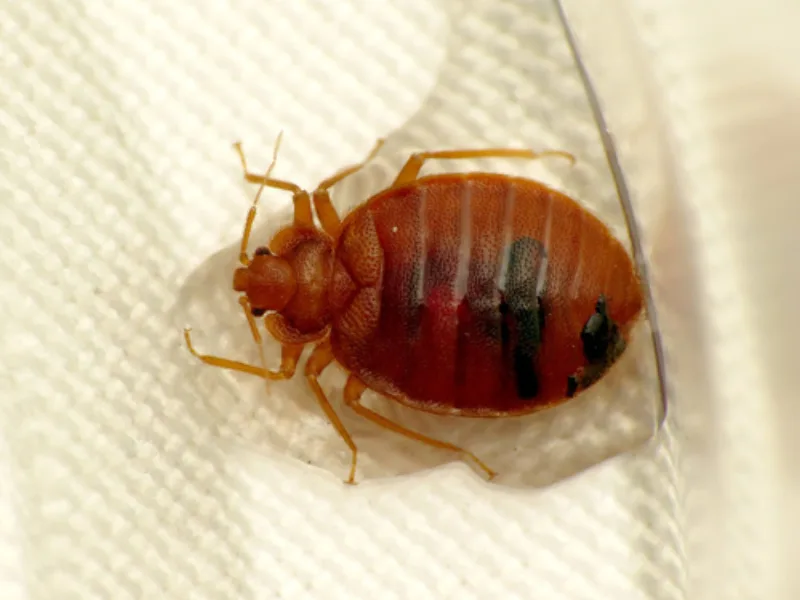
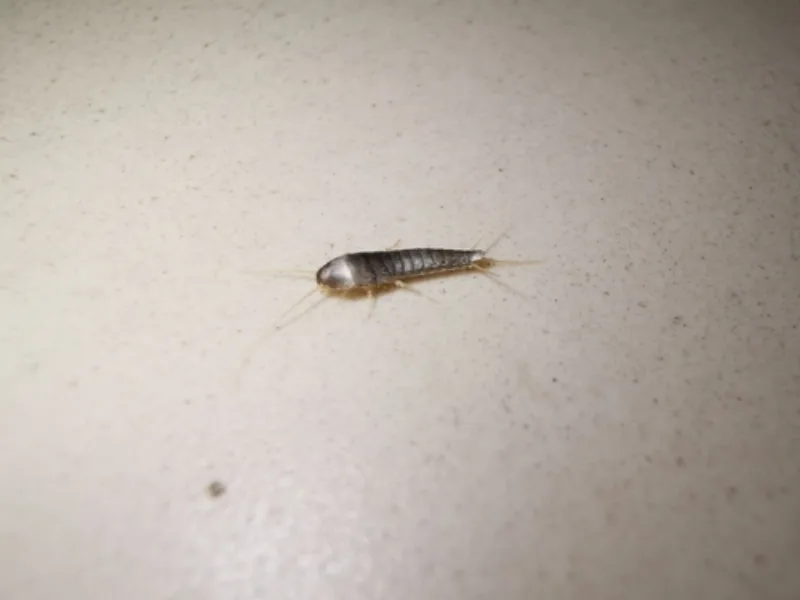
Quick ID Verdict: A bed bug (Cimex lectularius) is a flat, oval, apple-seed-shaped reddish-brown insect only 4-7 mm long. A silverfish (Lepisma saccharinum) is a longer, carrot-shaped, metallic silver-gray insect measuring 10-19 mm and covered in fine scales. If it's brown and round, think bed bug. If it's shiny, tapered, and quick, think silverfish.
Bed Bug
Silverfish
Side-by-Side Comparison Table
| Trait | Bed Bug | Silverfish |
|---|---|---|
| Scientific Group | Cimex lectularius | Lepisma saccharinum |
| Category | Insect | Insect |
| Typical Size | 4–7 mm | 10–19 mm |
| Danger Level | Nuisance | Nuisance |
| Bites or Stings? | Yes | No |
| Peak US Months | May, July, October, November | March, April, May, July |
| Key ID Trait | Flat, oval, apple-seed-shaped reddish-brown body without wings | Wingless, carrot-shaped metallic silver-gray body covered in fine scales |
Bed Bug vs. Silverfish: True Size Comparison
Side-by-Side Anatomy Blueprint
Compare body segments, antennae, leg count, and key markings directly before treating or removing either species.
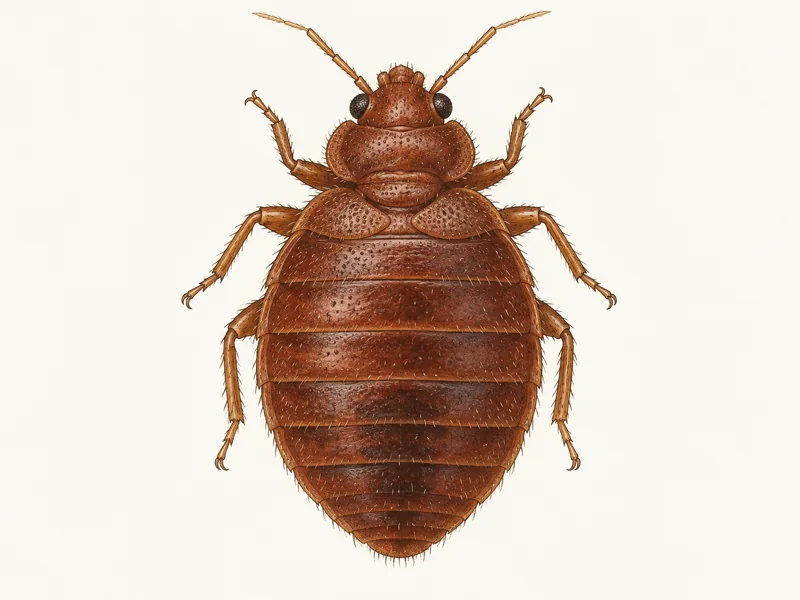
- Short 4-part antennae: Compact head with dark compound eyes and short 4-segmented antennae (shorter than roach feelers).
- Scalloped pronotum: Curved collar plate behind the head followed by tiny stubby wing pads—bed bugs cannot fly.
- Six short legs: Three pairs of short crawling legs suited for clinging to mattress piping and wood cracks.
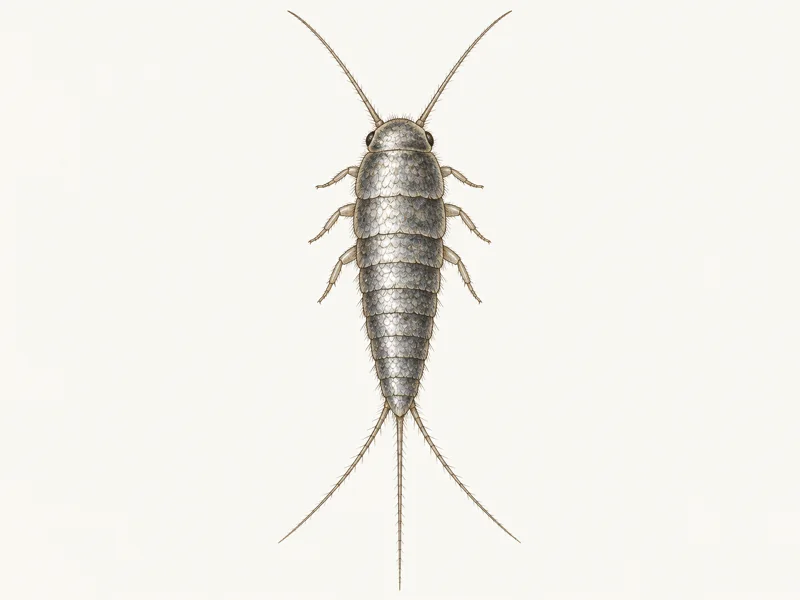
- Long thin antennae: Sweeping thread-like feelers guiding nocturnal foraging in damp paper and baths.
- Carrot-shaped body: Flat, wingless teardrop profile broad at the head and tapering smoothly backward.
- Metallic silver scales: Shimmering pewter-silver scales give a fluid, fish-like wriggling crawl.
Quick Answer: A bed bug (Cimex lectularius) is a flat, oval, apple-seed-shaped reddish-brown insect only 4-7 mm long. A silverfish (Lepisma saccharinum) is a longer, carrot-shaped, metallic silver-gray insect measuring 10-19 mm and covered in fine scales. If it's brown and round, think bed bug. If it's shiny, tapered, and quick, think silverfish.
Quick ID Verdict: Telling Them Apart in 3 Seconds
Look at color and shape first. Bed bugs are reddish-brown, rounded, and about the size of an apple seed. Silverfish are silvery, scaly, and taper from head to tail like a carrot.
Movement is the second clue. Silverfish dart away with a fish-like wiggle, while bed bugs crawl at a slower, steady pace. Both insects are wingless, so wings won't help with bed bug vs silverfish identification.
Key Visual & Physical Differences
The difference between bed bug and silverfish becomes obvious when the two are placed side by side. Even without a magnifier, size, color, and body outline separate them quickly.
Bed Bugs (Cimex lectularius)
- Size: 4-7 mm, roughly an apple seed
- Shape: Flat and oval, swelling and lengthening after feeding
- Color: Reddish-brown
- Wings: None
- Surface: Smooth, with no scales
Silverfish (Lepisma saccharinum)
- Size: 10-19 mm, often two to three times longer than a bed bug
- Shape: Carrot-shaped, wide at the head and tapering to the rear
- Color: Metallic silver-gray
- Wings: None
- Surface: Covered in fine scales that can rub off as a dusty sheen
- Extras: Long antennae and three bristle-like tail filaments
Bed bug nymphs can be pale or nearly translucent, which sometimes confuses homeowners. However, they keep the rounded bed bug shape and never show the silver scales or tail bristles of a silverfish.
Behavior, Habitat & Danger Comparison
Where an insect turns up says a lot about its identity. These two pests choose very different hiding spots because they feed on very different things.
Where Each One Lives
- Bed bugs: Mattress seams, box springs, headboards, couch cushions, and cracks near where people sleep or rest
- Silverfish: Bathrooms, basements, laundry rooms, attics, bookshelves, and stored boxes, especially in damp areas
What They Eat
Bed bugs feed only on blood, usually at night while people sleep. Silverfish eat starches and sugars found in paper, book bindings, wallpaper paste, glue, cereal, and some fabrics.
Signs You'll Notice
- Bed bugs: Small rust-colored stains on sheets, dark fecal spots along seams, shed skins, and itchy welts that often appear in lines or clusters
- Silverfish: Irregular holes or surface grazing on paper, yellowish stains, tiny pepper-like droppings, and shed scales
Danger Level
Both species are classified as nuisance pests. Silverfish do not bite people and pose no health threat beyond property damage. Bed bug bites can be itchy and upsetting, but bed bugs are not known to spread disease. Anyone with a severe skin reaction should see a doctor, and questions about accidental pesticide exposure can go to US Poison Control at 1-800-222-1222.
Which One Is Worse for Homeowners?
For most households, bed bugs are the bigger problem. They feed on people, spread through luggage and used furniture, and are notoriously hard to eliminate once established. Silverfish are mainly a sign of excess moisture and can damage books and papers, but they rarely cause more than minor annoyance.
Non-Chemical First Steps for Bed Bugs
- Wash bedding and clothing in hot water and dry on high heat for at least 30 minutes
- Vacuum mattress seams, bed frames, and furniture, then discard the bag outdoors
- Install bed bug-proof encasements on mattresses and box springs
- Reduce clutter and inspect secondhand furniture before bringing it inside
- Call a licensed pest professional for confirmed infestations, since heat treatment is often needed
Non-Chemical First Steps for Silverfish
- Run a dehumidifier to keep indoor humidity below about 50 percent
- Fix leaky pipes and improve ventilation in bathrooms and basements
- Store papers, books, and dry foods in sealed plastic containers
- Seal cracks around baseboards, pipes, and windows
- Remove stacks of cardboard and old newspapers
If insecticides become necessary for either pest, choose products registered for that specific insect and follow EPA product labels exactly. Never apply products to mattresses or bedding unless the label clearly allows it.
Frequently Asked Questions
Can silverfish bite humans like bed bugs?
No. Silverfish do not bite people or feed on blood. Unexplained bites near your bed point toward bed bugs, not silverfish.
Is a silver bug in my bed a bed bug or silverfish?
A shiny, silver-gray, carrot-shaped insect is almost certainly a silverfish that wandered in. Bed bugs are reddish-brown and oval, though young nymphs may look pale before feeding.
Do silverfish mean my house has a moisture problem?
Often, yes. Silverfish thrive in damp spaces, so frequent sightings usually signal high humidity, leaks, or poor ventilation that should be corrected.
Can I get rid of bed bugs on my own?
Small, early infestations can sometimes be reduced with laundering, vacuuming, and encasements. Most established cases require a licensed professional, and any products used must follow EPA label directions.