How to Get Rid of House Centipedes: A Step-by-Step IPM Guide
Quick Action Plan: To get rid of house centipedes, dry out damp areas, reduce the insects they feed on, and seal the cracks and gaps they use to enter. Capture and release any you find, or vacuum them up, then run a basement dehumidifier to keep humidity below 50%. House centipedes (Scutigera coleoptrata) are not considered dangerous, so non-chemical methods come first.
4-Step Visual IPM Removal & Exclusion Protocol
Follow Integrated Pest Management in order—verify the species, remove active individuals mechanically, seal indoor entry points, and modify outdoor habitat before considering any EPA-registered product.
 STEP 01
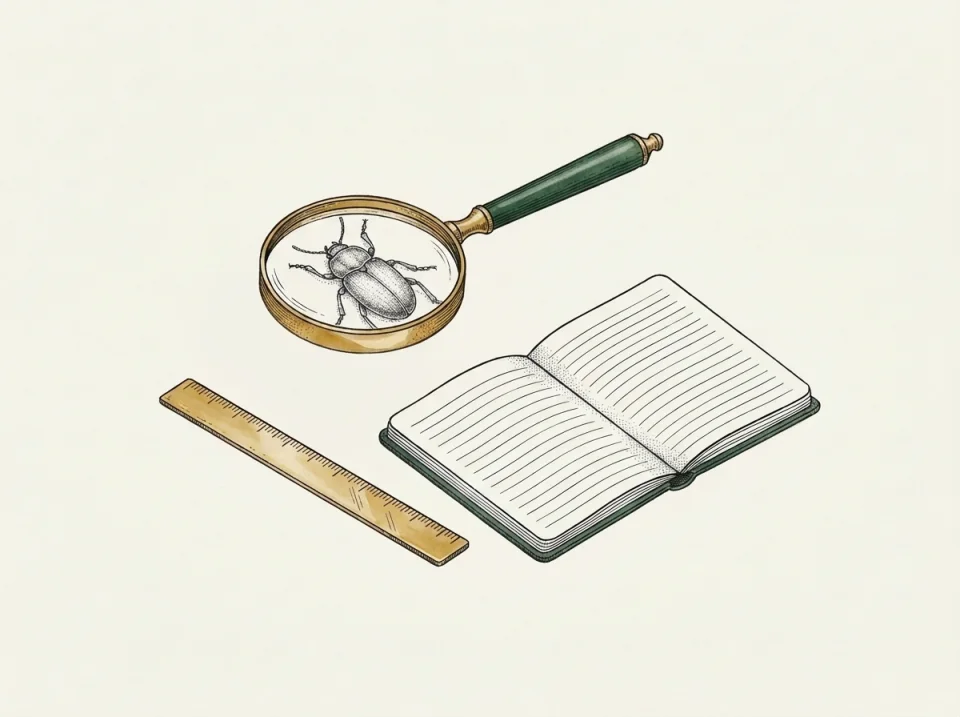
Confirm Species & Signs
Verify house centipedes (25–40 mm) before choosing a treatment.
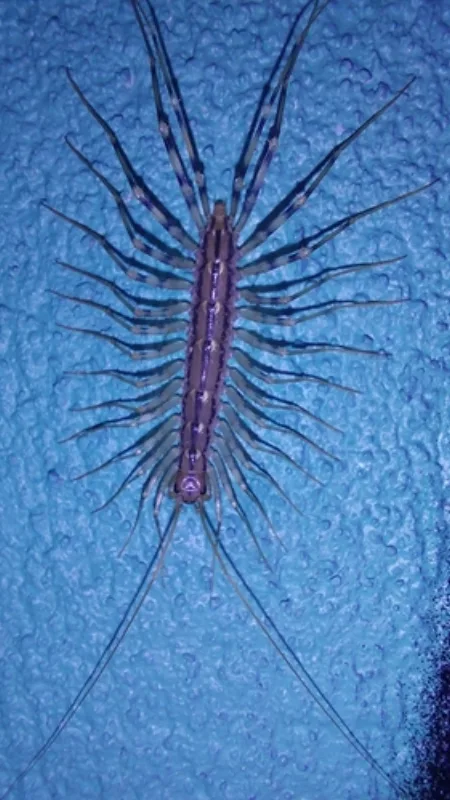
- Yellowish-gray body with three dark lengthwise stripes
- 15 pairs of extraordinarily long, delicate dark-banded legs giving a feathery silhouette
 STEP 02
Non-Chemical Removal First
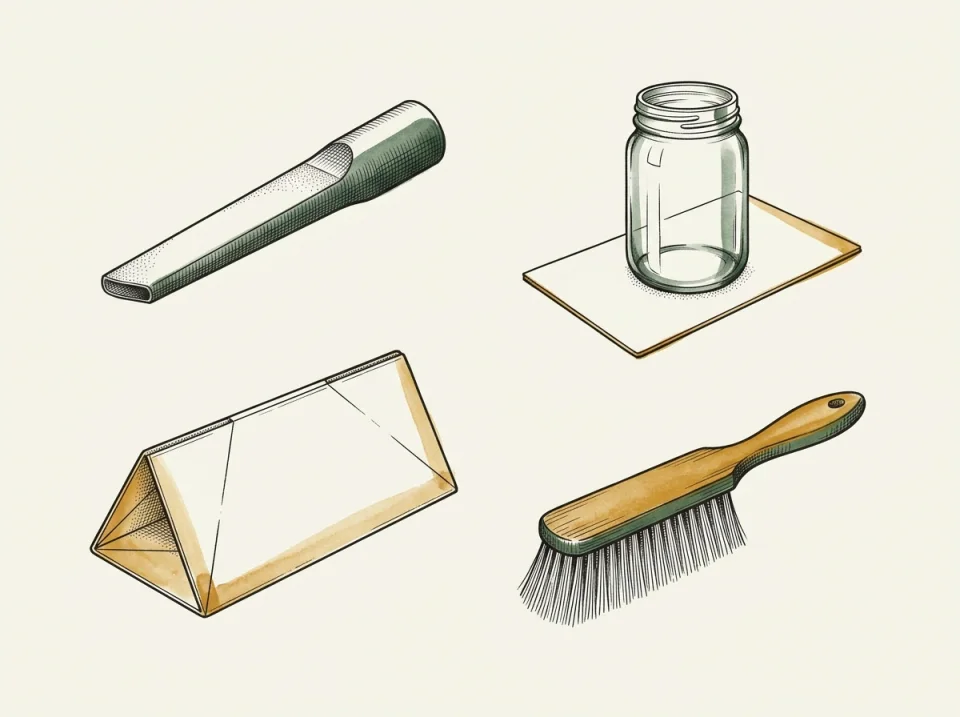
Start with mechanical removal, vacuuming, and traps to cut active numbers safely.
- Reduce prey insects and moisture; capture and release outdoors or vacuum
 STEP 03
Home Exclusion Blueprint
Target indoor hiding spots: Damp basements, bathrooms, floor drains, and closets.
- Run a basement dehumidifier to maintain <50% humidity
- Seal foundation cracks and fix plumbing leaks
 STEP 04
Outdoor Perimeter & Moisture
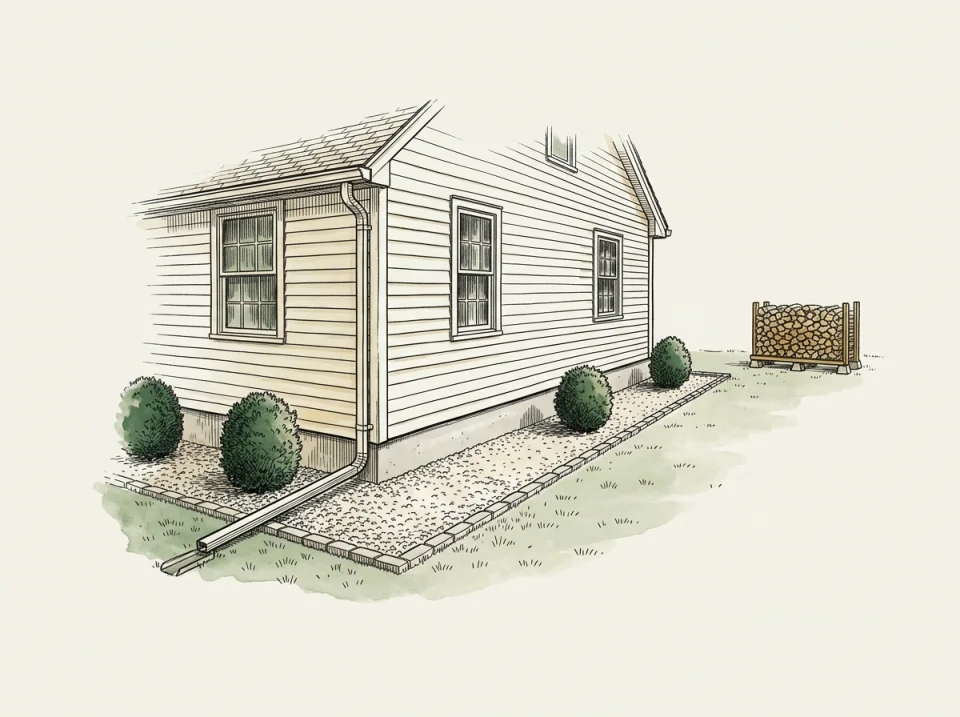
Inspect outdoor harboring zones: Under rocks, mulch, and damp logs near foundations.
- Run a basement dehumidifier to maintain <50% humidity
- Seal foundation cracks and fix plumbing leaks
Non-Chemical Control First: Detailed Checklist
- Reduce prey insects and moisture; capture and release outdoors or vacuum
Long-Term Prevention & Exclusion
- Run a basement dehumidifier to maintain <50% humidity
- Seal foundation cracks and fix plumbing leaks
Confirm House Centipedes Size Before Treating
Quick Action Plan: To get rid of house centipedes, dry out damp areas, reduce the insects they feed on, and seal the cracks and gaps they use to enter. Capture and release any you find, or vacuum them up, then run a basement dehumidifier to keep humidity below 50%. House centipedes (Scutigera coleoptrata) are not considered dangerous, so non-chemical methods come first.
Step 1: Identify & Locate Harborages
The house centipede is easy to recognize. It has a flattened, yellowish-gray body and up to 15 pairs of very long, banded legs that give it a feathery look. It moves fast and usually appears at night, when it hunts other small pests.
Seeing one tells you two things about your home: there is moisture, and there is prey. Finding where they hide is the foundation of effective house centipede control.
Common Indoor Hiding Spots
- Damp basements, especially near sump pits, laundry areas, and stored boxes
- Bathrooms, under sinks and around tubs and showers
- Floor drains in basements, garages, and utility rooms
- Closets, particularly ones on exterior walls or below grade
Common Outdoor Harborages
- Under rocks and landscape stones
- In thick mulch beds against the house
- Beneath damp logs, firewood, and debris near the foundation
Check these spots with a flashlight after dark. Sticky traps placed along basement walls can also show you where activity is heaviest.
Step 2: Non-Chemical Removal Methods First
For most homes, house centipede removal doesn't require any pesticide. These are the most reliable natural ways to get rid of house centipedes, and they address the reasons the centipedes showed up in the first place.
Capture, Release, or Vacuum
If you spot a single centipede, trap it under a cup, slide a piece of stiff paper underneath, and release it outdoors away from the foundation. If you'd rather not handle them, a vacuum with a hose attachment works well. Empty the canister or seal and discard the bag outside right away.
Cut Off Their Food Supply
House centipedes eat silverfish, cockroaches, spiders, crickets, and other small insects. When prey disappears, centipedes either move on or decline. Focus on:
- Removing clutter, cardboard, and stored paper where insects hide
- Vacuuming corners, baseboards, and under appliances regularly
- Storing pantry food in sealed containers
- Addressing any other pest problem you find
Dry Out Damp Areas
Moisture is the single biggest draw. House centipedes lose water quickly and seek out humid spaces to survive. Run bathroom exhaust fans during and after showers, keep floor drains flushed or capped, and improve airflow in closets and basements.
Step 3: Long-Term Exclusion & Prevention
Once you've reduced the current population, the next goal is keeping new centipedes out. Knowing how to prevent house centipedes comes down to moisture control and sealing entry points.
Control Humidity
Run a basement dehumidifier to maintain humidity below 50%. An inexpensive hygrometer lets you check levels in basements, crawl spaces, and bathrooms. Empty or drain the dehumidifier reservoir regularly so it keeps working.
Seal and Repair
- Seal foundation cracks with masonry caulk or concrete patch
- Fix plumbing leaks under sinks, around toilets, and near water heaters
- Install door sweeps and weatherstripping on exterior and basement doors
- Caulk gaps around pipes, cables, and vents where they pass through walls
- Repair torn window screens and basement window wells
Manage the Outdoor Perimeter
Pull mulch back several inches from the foundation and keep it thin. Move rocks, logs, firewood, and yard debris away from exterior walls. Make sure gutters and downspouts carry water well away from the house so soil near the foundation stays drier.
EPA-Registered Treatments & When to Call a Licensed Pro
Chemical treatments should be a last resort, used only after moisture and exclusion problems are fixed. Spraying without addressing the cause rarely provides lasting results, since new centipedes and prey will keep arriving.
If you choose a product, select one that is EPA-registered and lists centipedes on the label. Residual sprays are typically applied as crack-and-crevice or perimeter treatments. Always read and follow the EPA product label exactly, including where it can be applied, how much to use, and how to protect children and pets.
Call a Licensed Pest Professional If:
- You see centipedes regularly even after controlling moisture and sealing gaps
- You suspect a larger hidden infestation of silverfish, cockroaches, or other prey
- You have persistent water problems in a crawl space or foundation
- You're not comfortable applying pesticides yourself
A licensed pro can inspect hard-to-reach areas, identify moisture sources, and apply targeted treatments safely.
Getting Rid of House Centipedes: FAQs
Are house centipedes dangerous to people or pets?
No. House centipedes are not considered dangerous. They can bite if handled roughly, but bites are rare and they generally avoid people. If you ever have concerns about any bite or reaction, contact your doctor or US Poison Control at 1-800-222-1222.
Why do I keep seeing house centipedes in my bathroom?
Bathrooms offer the moisture they need and often harbor small insects they eat. Run the exhaust fan, fix leaks, and keep drains clean to make the space less inviting.
Will a dehumidifier really help?
Yes. Keeping basement humidity below 50% is one of the most effective prevention steps. Dry conditions make it harder for both centipedes and their prey to survive.
Should I kill house centipedes or leave them alone?
They do eat other household pests, but frequent sightings signal moisture and insect problems worth fixing. Capture and release or vacuum any you find, then address the conditions attracting them.
Extension & EPA Sources
Always read and follow the label directions on any EPA-registered pest control product.