How to Get Rid of German Cockroaches: A Step-by-Step IPM Guide
Quick Action Plan: To get rid of German cockroaches, start by locating their warm, moist hiding spots in kitchens and bathrooms. Then remove food, water, and grease, HEPA-vacuum the roaches you find, and track activity with sticky monitors. Finish with EPA-registered gel baits and insect growth regulators (IGRs). Skip fogger bombs, which drive roaches deeper into your walls.
4-Step Visual IPM Removal & Exclusion Protocol
Follow Integrated Pest Management in order—verify the species, remove active individuals mechanically, seal indoor entry points, and modify outdoor habitat before considering any EPA-registered product.
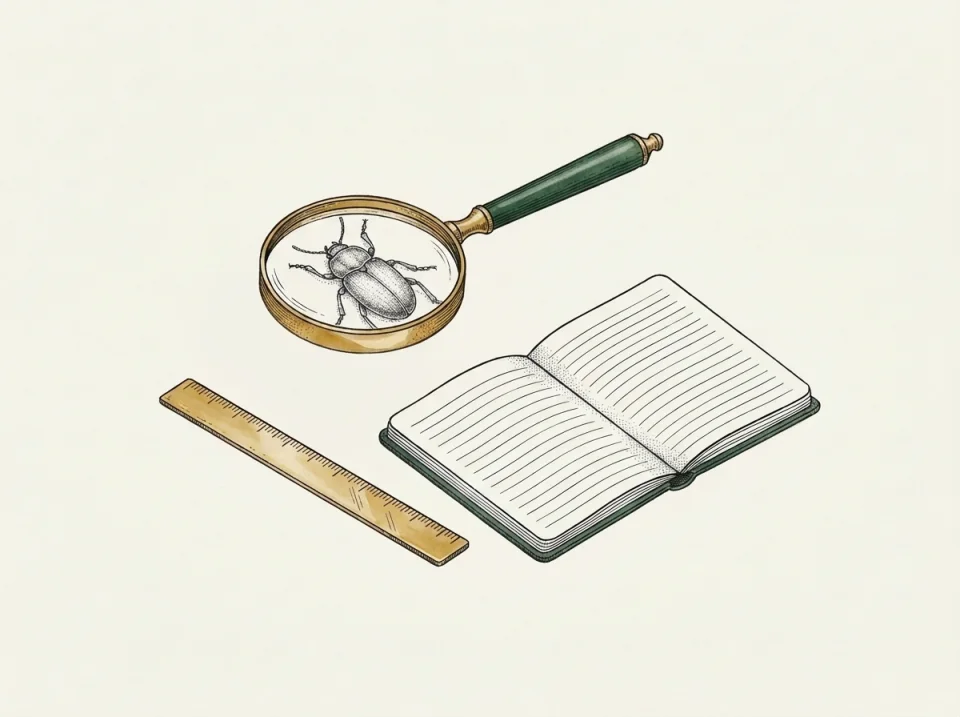 STEP 01
Confirm Species & Signs
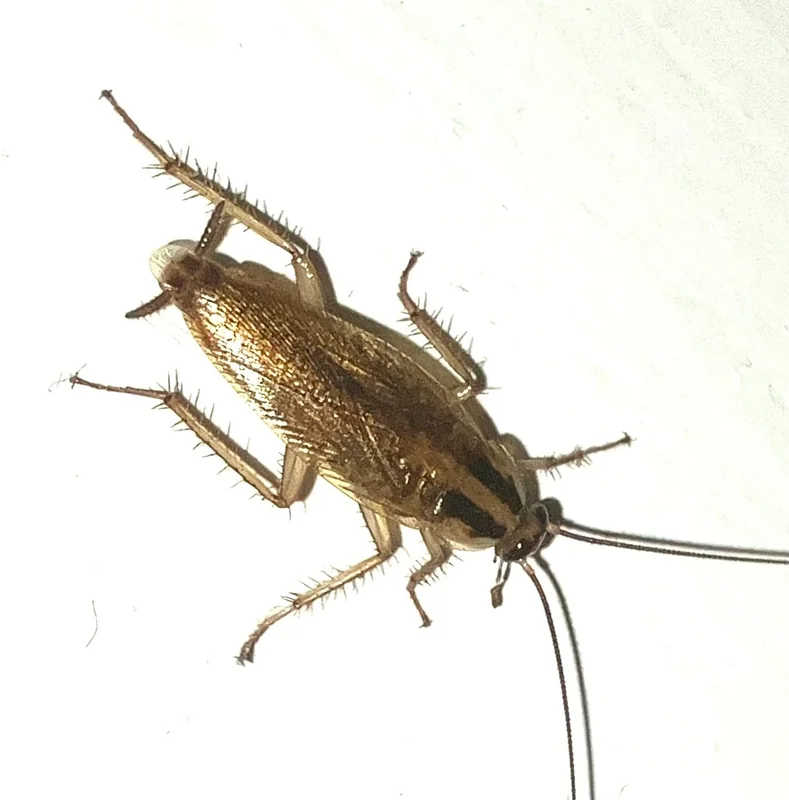
Verify german cockroaches (11–16 mm) before choosing a treatment.
- Small light-tan to amber cockroach with two unmistakable dark parallel lengthwise stripes behind the head
- Nymphs are darker brown with a pale tan stripe down the middle of the back
 STEP 02
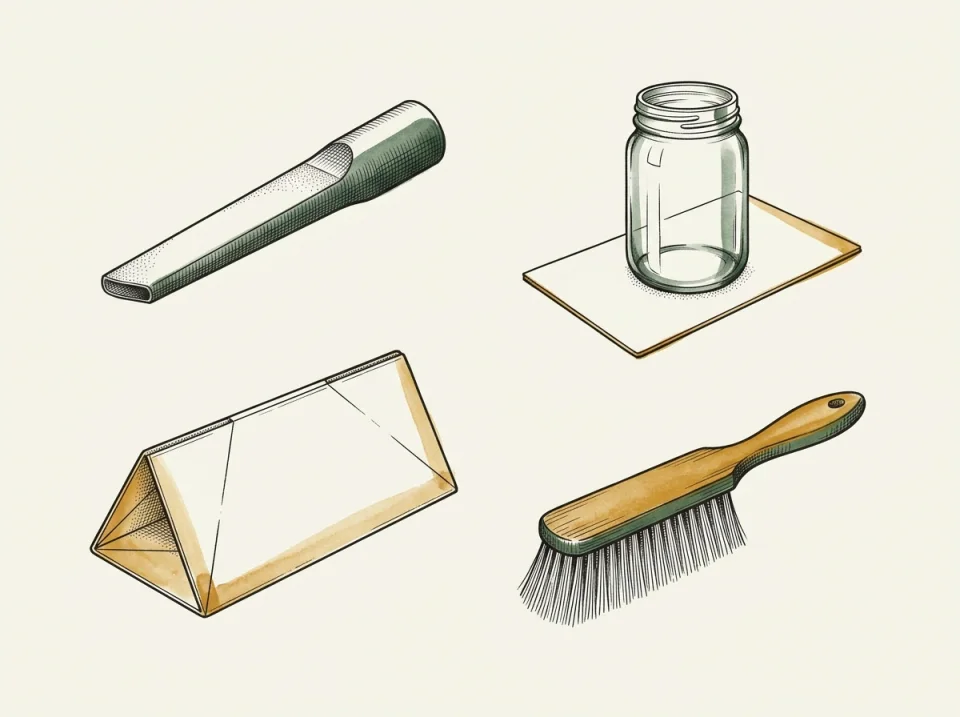
Non-Chemical Removal First
Start with mechanical removal, vacuuming, and traps to cut active numbers safely.
- Thorough sanitation + HEPA vacuuming + sticky monitors, paired with EPA-registered gel baits and IGRs (avoid fogger bombs, which scatter populations deeper into walls)
 STEP 03
Home Exclusion Blueprint
Target indoor hiding spots: Warm kitchen cabinet hinges, behind refrigerators, coffee makers, microwaves, and bathroom vanities.
- Unpack cardboard deliveries immediately and inspect secondhand appliances
- Eliminate all overnight water, grease, and crumb sources
 STEP 04
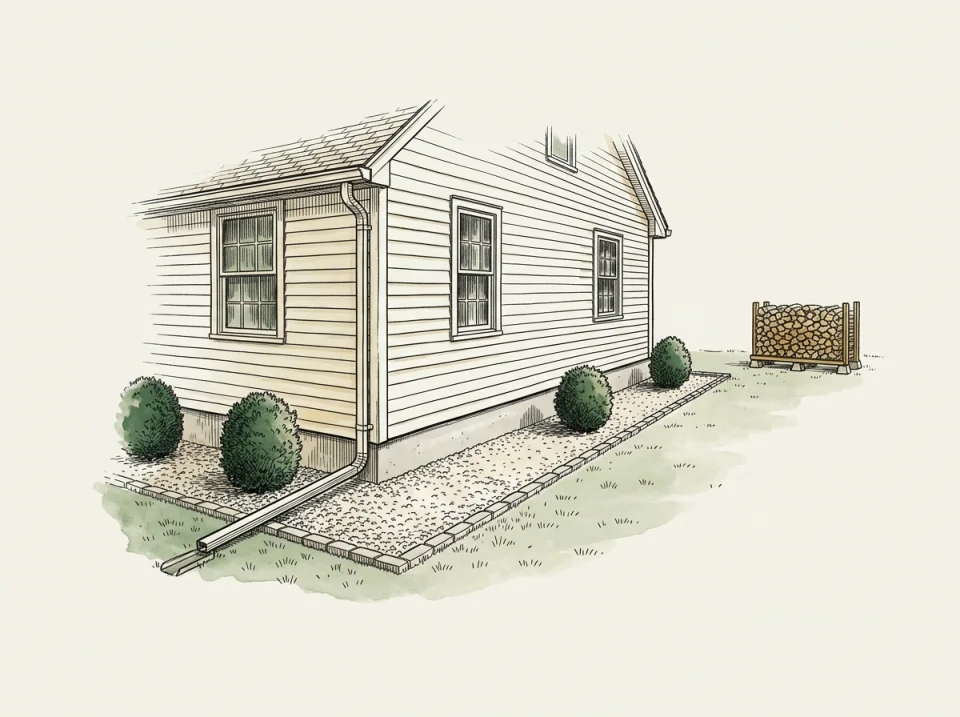
Outdoor Perimeter & Moisture
Inspect outdoor harboring zones: Rarely survives outdoors in most US climates.
- Caulk plumbing escutcheons and cabinet cracks
Non-Chemical Control First: Detailed Checklist
- Thorough sanitation + HEPA vacuuming + sticky monitors, paired with EPA-registered gel baits and IGRs (avoid fogger bombs, which scatter populations deeper into walls)
Long-Term Prevention & Exclusion
- Unpack cardboard deliveries immediately and inspect secondhand appliances
- Eliminate all overnight water, grease, and crumb sources
- Caulk plumbing escutcheons and cabinet cracks
Confirm German Cockroaches Size Before Treating
Quick Answer: To get rid of German cockroaches, start by locating their warm, moist hiding spots in kitchens and bathrooms. Then remove food, water, and grease, HEPA-vacuum the roaches you find, and track activity with sticky monitors. Finish with EPA-registered gel baits and insect growth regulators (IGRs). Skip fogger bombs, which drive roaches deeper into your walls.
German cockroaches (Blattella germanica) are considered a nuisance pest rather than a dangerous one. They multiply fast and almost never survive outdoors in most US climates, so an infestation is an indoor problem with an indoor solution. The plan below follows Integrated Pest Management (IPM) guidance from UF/IFAS Extension and the US EPA.
Step 1: Identify & Locate Harborages
Successful German cockroach control begins with knowing where they live. These roaches prefer tight, warm cracks near food and moisture, and they rarely wander far from them. If you treat the wrong areas, you waste time and products.
Where to Look
- Kitchen cabinet hinges and the gaps behind cabinet faces
- Behind and under refrigerators, where motors give off steady warmth
- Coffee makers and microwaves, including their bases and internal voids
- Bathroom vanities, especially around plumbing
How to Confirm Activity
Take a flashlight into the kitchen an hour or two after dark and check these spots. Look for live roaches, small pepper-like droppings, shed skins, and dark smear marks. Put sticky monitors flat against walls and inside cabinet corners. The traps that catch the most roaches point you to the main harborages.
Step 2: Non-Chemical Removal Methods First
The most effective natural ways to get rid of German cockroaches take away the food and water they need to survive. Sanitation alone won't wipe out a population. It does make baits far more effective, because roaches have nothing better to eat.
Deep Sanitation
- Wipe grease off stovetops, range hoods, and the sides of appliances.
- Pull out the stove and refrigerator, then clean the crumbs and spills underneath.
- Store dry goods and pet food in sealed containers.
- Take out the trash every night and keep a tight-fitting lid on the bin.
- Wash dishes and dry the sink before bed. Don't leave water standing overnight.
HEPA Vacuuming
A HEPA vacuum with a crevice tool quickly removes live roaches, egg cases, droppings, and shed skins from cracks and hinges. Focus on the harborages you mapped in Step 1. Afterward, seal the vacuum contents in a plastic bag and throw it in an outdoor bin.
Sticky Monitors
Keep sticky traps in place for the whole process and replace them when they fill up. Falling catch counts over several weeks tell you the plan is working. If counts stay flat, a harborage is probably still untreated.
Step 3: Long-Term Exclusion & Prevention
If you're wondering how to prevent German cockroaches from coming back, focus on how they get inside. They usually ride in with cardboard, groceries, or used appliances, and they rarely walk in from outdoors.
- Unpack cardboard deliveries immediately. Move the contents out and recycle the boxes right away. Roaches and their egg cases hide in corrugated layers.
- Inspect secondhand appliances. Check the motors, seams, and undersides of used microwaves, toasters, and refrigerators before you bring them indoors.
- Eliminate overnight water, grease, and crumbs. Make a nightly kitchen reset part of your routine.
- Caulk plumbing escutcheons and cabinet cracks. Seal the gaps around pipes under sinks and along cabinet seams so roaches have fewer places to hide and travel.
EPA-Registered Treatments & When to Call a Licensed Pro
Once sanitation is underway, targeted treatments finish the job of German cockroach removal. Always read and follow the EPA product label. The label is the law, and it lists safe placement, dosage, and precautions for kids and pets.
Gel Baits
Put small, pea-sized dots of EPA-registered gel bait in cracks near harborages, such as cabinet hinges and behind appliances. Roaches eat the bait and spread it through the colony. Don't spray other insecticides near bait placements, because sprays can contaminate the bait and repel roaches from it.
Insect Growth Regulators (IGRs)
IGRs stop young roaches from developing into breeding adults. Pairing an IGR with gel bait breaks the reproduction cycle while the bait reduces the current population.
Avoid Fogger Bombs
Total-release foggers rarely reach the cracks where German cockroaches hide. Instead, they scatter roaches deeper into wall voids and neighboring units, which makes the infestation harder to control.
When to Call a Pro
Contact a licensed pest management professional in any of these situations:
- Your sticky traps still catch roaches after four to six weeks of consistent effort.
- You see roaches during the day, which often signals a heavy infestation.
- You live in a multi-unit building where roaches move between apartments.
If anyone swallows a pest control product or has a reaction to one, call US Poison Control at 1-800-222-1222.
Getting Rid of German Cockroaches: FAQs
How long does it take to get rid of German cockroaches?
Most homes see a clear decline within two to four weeks of combined sanitation, baiting, and IGR use. Full elimination can take several weeks longer, so keep monitoring until your traps stay empty.
Can German cockroaches live outside?
German cockroaches rarely survive outdoors in most US climates. They depend on the warmth, food, and moisture found inside homes and businesses.
Do natural methods work on their own?
Sanitation, HEPA vacuuming, and sealing cracks cut populations sharply, but they rarely eliminate an established infestation alone. Pairing them with label-directed gel baits and IGRs gives the best results.
Why shouldn't I use a bug bomb?
Foggers push roaches deeper into walls and nearby units instead of killing them where they hide. Gel baits placed in cracks are much more effective against German cockroaches.
Extension & EPA Sources
- UF/IFAS Extension — German Cockroach
- US EPA — Cockroaches IPM
- GBIF Global Biodiversity Occurrence Records
Always read and follow the label directions on any EPA-registered pest control product.