German Cockroach vs Oriental Cockroach: How to Tell Them Apart and Stop an Infestation
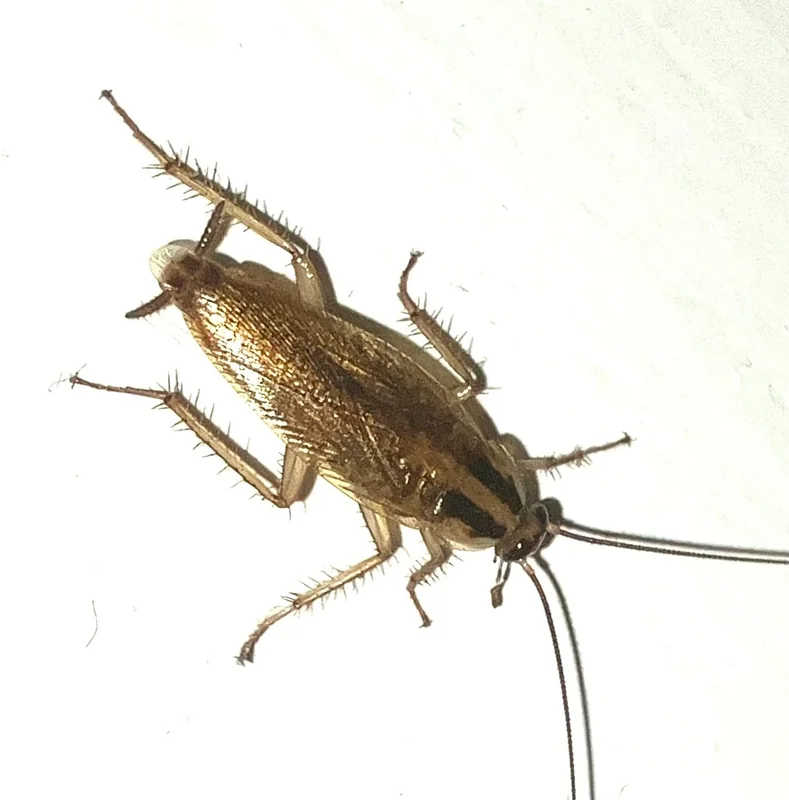
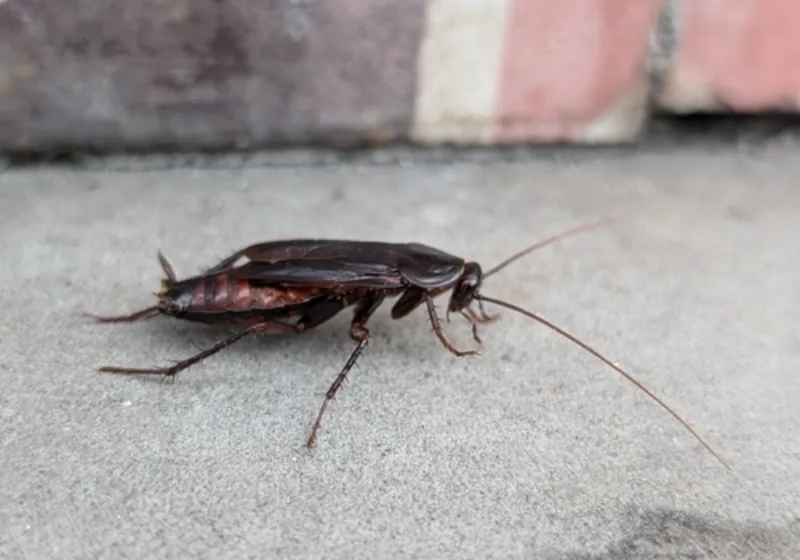
Quick ID Verdict: Spot a roach on the kitchen floor at midnight, and the first question is simple: what is it? In the German cockroach vs oriental cockroach matchup, the answer takes about three seconds. A small, tan roach with two dark stripes behind the head is a German cockroach. A large, glossy black or dark mahogany roach is an Oriental cockroach. That one call shapes everything that follows, from where to look to how to treat.
German Cockroach
Oriental Cockroach
Side-by-Side Comparison Table
| Trait | German Cockroach | Oriental Cockroach |
|---|---|---|
| Scientific Group | Blattella germanica | Blatta orientalis |
| Category | Insect | Insect |
| Typical Size | 11–16 mm | 22–32 mm |
| Danger Level | Nuisance | Nuisance |
| Bites or Stings? | No | No |
| Peak US Months | July, September, October, November | May, June, July, August |
| Key ID Trait | Small light-tan to amber cockroach with two unmistakable dark parallel lengthwise stripes behind the head | Glossy jet-black to dark mahogany broad-bodied cockroach |
German Cockroach vs. Oriental Cockroach: True Size Comparison
Side-by-Side Anatomy Blueprint
Compare body segments, antennae, leg count, and key markings directly before treating or removing either species.
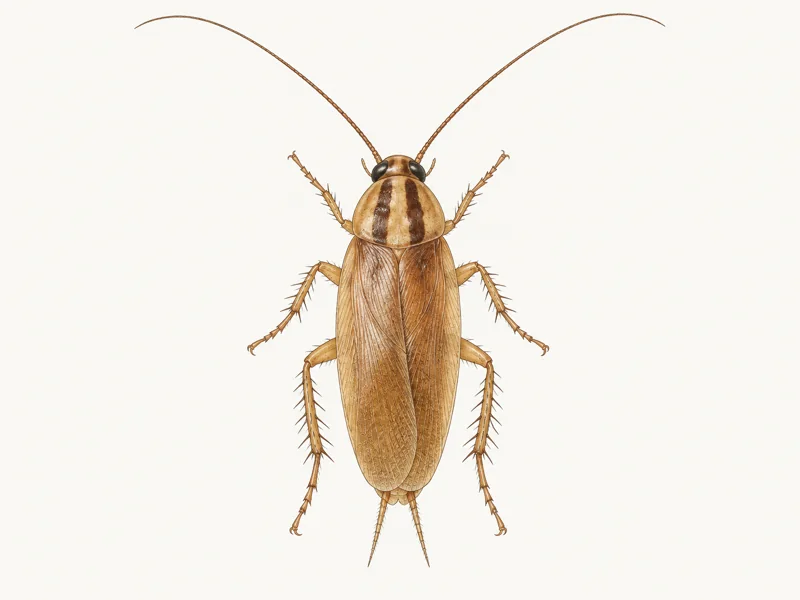
- Whip-like antennae: Very long, delicate filiform antennae sweeping forward to detect air currents and food.
- Two dark stripes: Unmistakable pair of dark parallel lengthwise bars on the tan shield (pronotum) behind the head.
- Spiny running legs: Six bristle-lined legs built for rapid sprinting into cabinet hinges and appliance voids.
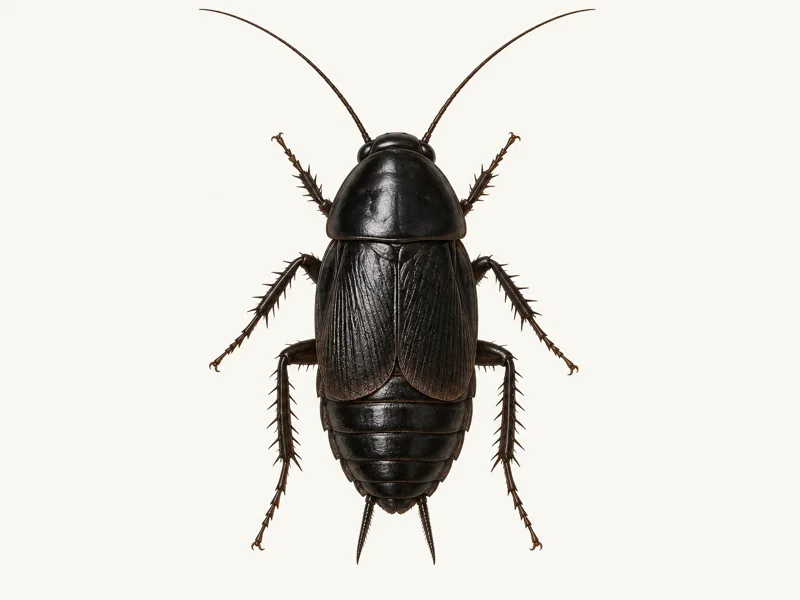
- Long thin antennae: Delicate filiform antennae detecting damp basement drafts and drain moisture.
- Solid jet-black shield: Smooth, glossy black pronotum with zero pale halos or yellow stripes.
- Short truncated wings: Stubby leathery wing covers stop short (males ~2/3 length; females tiny pads).
Key Differences at a Glance
The difference between German cockroach and Oriental cockroach comes down to size, color, and habits. Here's the side-by-side view.
TraitGerman CockroachOriental CockroachScientific nameBlattella germanicaBlatta orientalisAdult length11–16 mm22–32 mmColorLight tan to amberGlossy jet-black to dark mahoganyKey ID markTwo dark parallel stripes behind the headBroad, shiny, dark bodyDanger levelNuisanceNuisance
Size, Color, and Physical Features
For quick German cockroach vs oriental cockroach identification, check the pronotum, the shield-like plate behind the head. German cockroaches carry two unmistakable dark lengthwise stripes there. Oriental cockroaches have no stripes at all.
Size settles the rest. An adult German cockroach rarely tops 16 mm, about the length of a fingernail. An Oriental cockroach can reach 32 mm, with a heavier, broader body that looks almost beetle-like.
Wings, Movement, and Behavior
German cockroaches have full wings but almost never fly. They sprint instead, and they scatter fast when a light flips on.
Oriental cockroaches move slower. Males have short wings covering most of the abdomen, while females have only stubby wing pads. Neither sex flies, and they struggle to climb smooth vertical surfaces, which is why they're usually found on floors.
Where Each Species Hides in Your Home
Habitat is one of the best clues when deciding between a German cockroach or Oriental cockroach.
German cockroaches prefer warm, humid spots close to food:
- Behind refrigerators, stoves, and dishwashers
- Inside cabinet hinges and under sinks
- Around coffee makers, microwaves, and bathroom fixtures
Oriental cockroaches favor cool, damp, dark areas, which is why many people call them "water bugs":
- Basements, crawl spaces, and floor drains
- Around leaky pipes and sump pumps
- Under mulch, leaf litter, and stones near the foundation
In short, German roaches live in the kitchen. Oriental roaches tend to come up from below.
Seasonal Activity and US Regional Presence
German cockroaches are found across the United States and live almost entirely indoors. Because they depend on heated buildings, they stay active year-round, in apartments, restaurants, and single-family homes alike.
Oriental cockroaches are also widespread in the US but are especially common in cooler, temperate regions. They often live outdoors and move inside when conditions change, with sightings typically rising in spring and summer. Heavy rain, drought, or a sudden cold snap can push them through gaps under doors and around utility lines.
A spring spike in basement sightings points toward Oriental roaches. Constant winter activity in the kitchen points toward German roaches.
Health Risks and Signs of Infestation
Both species are classified as nuisance pests. Neither bites people in any meaningful way, and neither is venomous. Still, cockroaches crawl through drains and garbage, can contaminate food surfaces, and their droppings and shed skins are known indoor allergens that may aggravate asthma. Anyone with persistent respiratory symptoms should talk with a doctor.
Common warning signs include:
- German: pepper-like droppings in cabinet corners, tiny nymphs in daylight, and a musty odor in heavy infestations
- Oriental: larger cylindrical droppings near drains, dark egg cases left in damp areas, and a strong, oily smell
So which one is worse for homeowners? Usually the German cockroach. Females carry their egg cases until just before hatching, each holding around 30 to 40 eggs, so populations explode quickly. Oriental cockroaches reproduce far more slowly and are often tied to a fixable moisture problem.
Safe IPM Strategies for Each Species
Integrated Pest Management starts with non-chemical steps: exclusion, sanitation, and moisture control. Chemicals come last, not first.
For German Cockroaches
- Wipe counters nightly and store food in sealed containers
- Don't leave pet food or dirty dishes out overnight
- Caulk cracks around cabinets, pipes, and backsplashes
- Use sticky traps to locate hot spots
- If needed, choose gel baits or bait stations rather than sprays, which can scatter roaches
For Oriental Cockroaches
- Fix leaks and run a dehumidifier in basements
- Install door sweeps and seal foundation cracks and utility gaps
- Pull mulch and leaf litter back from the foundation
- Keep floor drains covered or flushed regularly
Any pesticide, bait, or dust must be applied exactly as directed on the EPA-registered product label. For a persistent German cockroach infestation, a licensed pest management professional is often the fastest route to full control.
Frequently Asked Questions
What's the main difference between a German cockroach and an Oriental cockroach?
German cockroaches are small (11–16 mm), tan with two dark stripes behind the head, and prefer warm kitchens. Oriental cockroaches are larger (22–32 mm), glossy black, and favor cool, damp basements. Size and color make quick identification easy.
How can I identify a German cockroach vs Oriental cockroach by sight?
German cockroaches have two dark parallel stripes on the pronotum (plate behind the head) and are fingernail-sized. Oriental cockroaches lack stripes, are twice as large, glossy black or mahogany, and have a beetle-like appearance with broader bodies.
Where do German cockroaches and Oriental cockroaches hide in homes?
German cockroaches hide in warm, humid kitchen areas like behind refrigerators and under sinks. Oriental cockroaches prefer cool, damp spots such as basements, crawl spaces, and around leaky pipes—earning them the nickname 'water bugs.'
Which cockroach species is worse for homeowners and why?
German cockroaches are typically worse because females carry egg cases with 30–40 eggs until hatching, causing populations to explode quickly. Oriental cockroaches reproduce much slower and are often linked to fixable moisture problems, making them easier to control long-term.
What are the health risks of German cockroaches and Oriental cockroaches?
Neither species bites or is venomous, but both crawl through drains and garbage, contaminating surfaces. Their droppings and shed skins are allergens that can aggravate asthma and respiratory symptoms in sensitive individuals.
What's the best way to get rid of German cockroaches or Oriental cockroaches?
Start with Integrated Pest Management: eliminate food sources, seal cracks, control moisture, and use sticky traps. For German roaches, gel baits work better than sprays. For Oriental roaches, fix leaks and remove exterior debris. Licensed professionals help with persistent infestations.