How to Get Rid of Japanese Beetles: A Safe, Step-by-Step Guide
Quick Action Plan: If you want to know how to get rid of Japanese beetles, start by hand-picking them into a bucket of soapy water in the early morning, when they are sluggish. Cover prized roses and berries with lightweight mesh netting during the peak July flight. Skip pheromone bag traps, which pull more beetles into your yard than they catch.
4-Step Visual IPM Removal & Exclusion Protocol
Follow Integrated Pest Management in order—verify the species, remove active individuals mechanically, seal indoor entry points, and modify outdoor habitat before considering any EPA-registered product.
 STEP 01
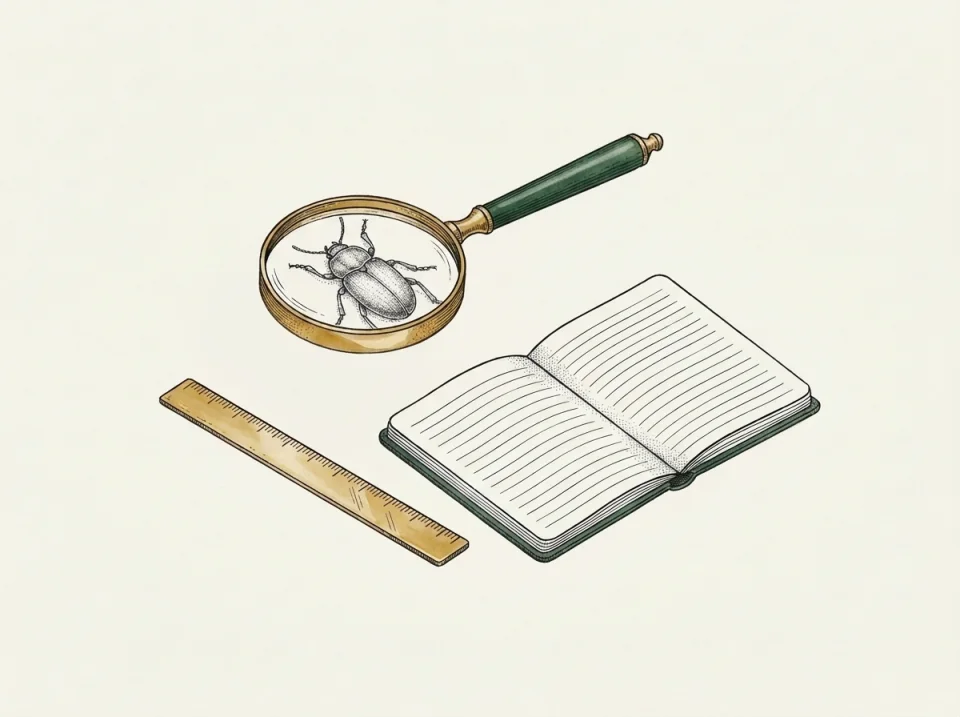
Confirm Species & Signs
Verify japanese beetles (10–13 mm) before choosing a treatment.
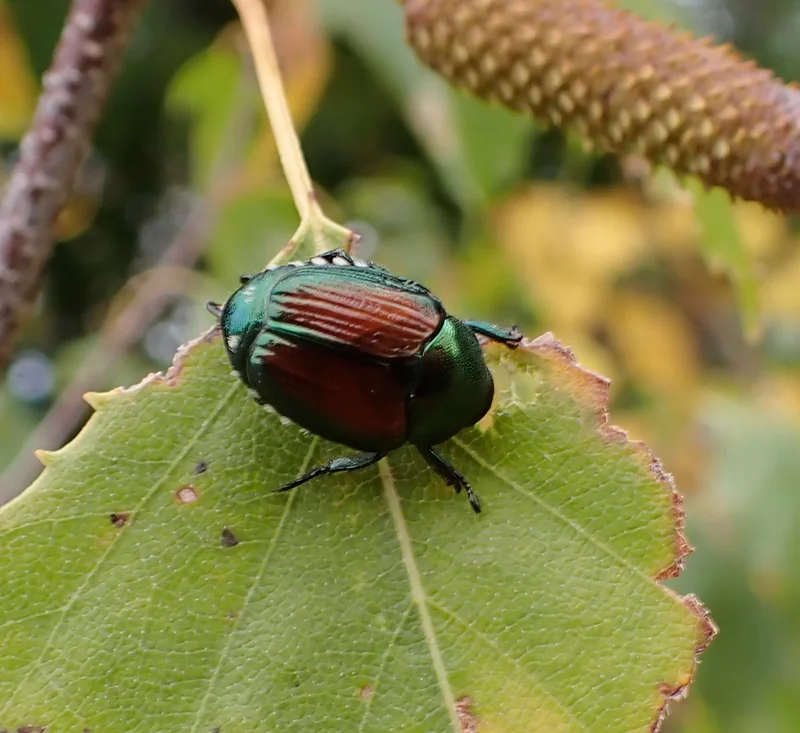
- Metallic emerald-green head and thorax with iridescent coppery-bronze wing covers
- Row of five crisp white hair tufts along each side of the abdomen
 STEP 02
Non-Chemical Removal First
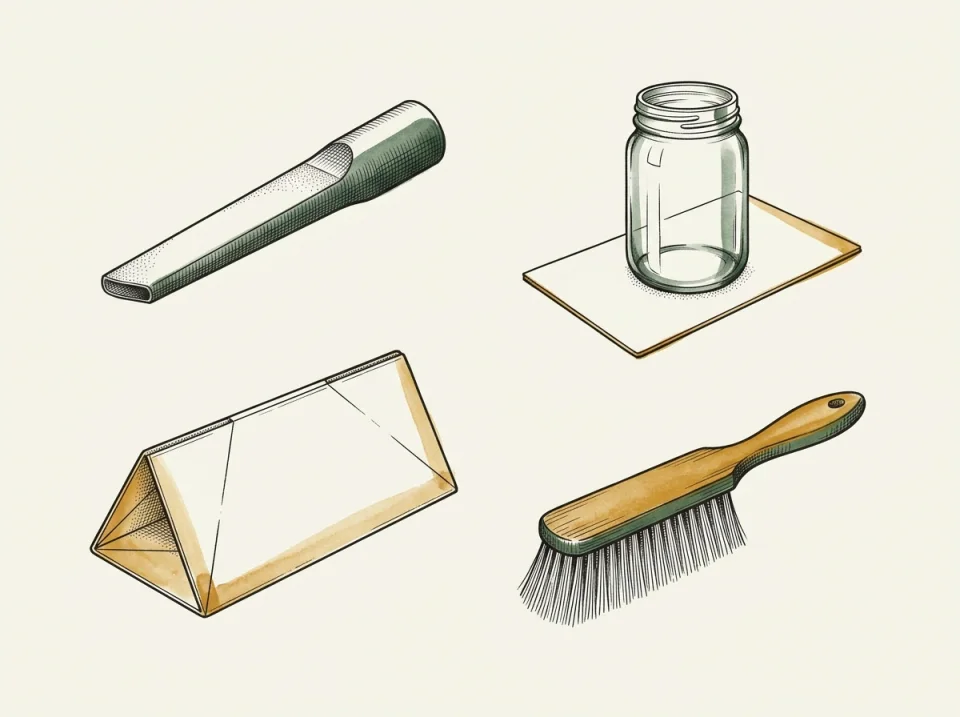
Start with mechanical removal, vacuuming, and traps to cut active numbers safely.
- Hand-pick sluggish beetles into a bucket of soapy water in early morning
- Cover prized garden berries/roses with lightweight mesh netting during peak July flight
 STEP 03
Home Exclusion Blueprint
Target indoor hiding spots: Never infests indoors.
- Avoid placing pheromone Japanese beetle bag traps in your yard—university studies show they attract far more beetles to nearby plants than they catch
 STEP 04
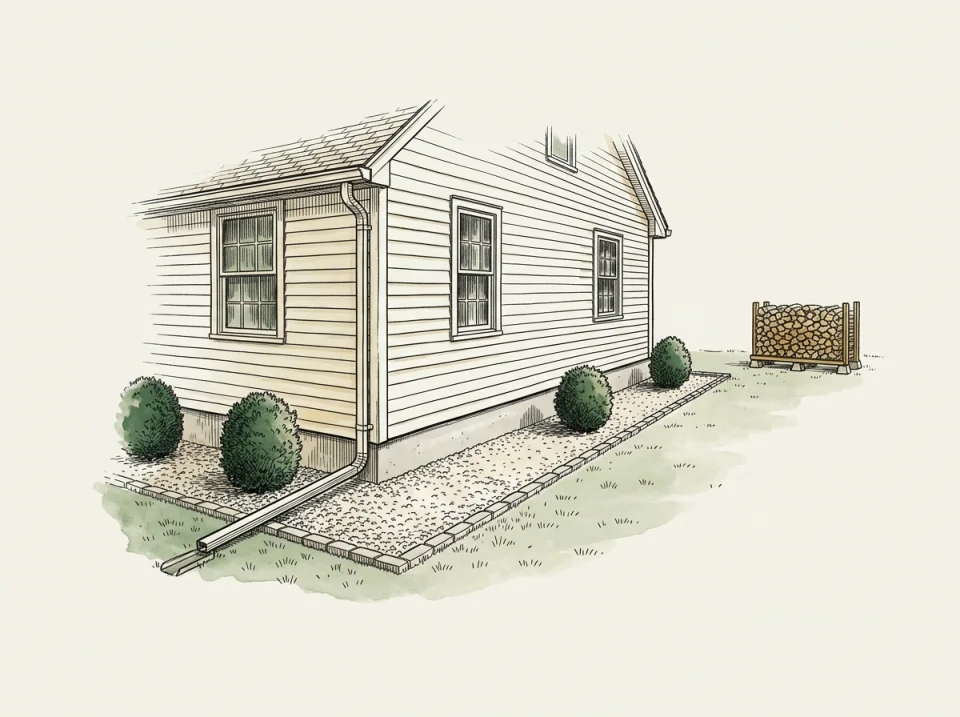
Outdoor Perimeter & Moisture
Inspect outdoor harboring zones: Sunny roses, fruit trees, ornamental shrubs, and irrigated residential lawns.
- Avoid placing pheromone Japanese beetle bag traps in your yard—university studies show they attract far more beetles to nearby plants than they catch
Non-Chemical Control First: Detailed Checklist
- Hand-pick sluggish beetles into a bucket of soapy water in early morning
- Cover prized garden berries/roses with lightweight mesh netting during peak July flight
Long-Term Prevention & Exclusion
- Avoid placing pheromone Japanese beetle bag traps in your yard—university studies show they attract far more beetles to nearby plants than they catch
Confirm Japanese Beetles Size Before Treating
Quick Answer: If you want to know how to get rid of Japanese beetles, start by hand-picking them into a bucket of soapy water in the early morning, when they are sluggish. Cover prized roses and berries with lightweight mesh netting during the peak July flight. Skip pheromone bag traps, which pull more beetles into your yard than they catch.
Japanese beetles (Popillia japonica) are a nuisance pest, not a health threat. They never infest homes. Their damage stays outdoors, where they chew leaves and flowers down to lacy skeletons. A steady, low-chemical plan works best.
Step 1: Identify & Locate Harborages
Good Japanese beetle control starts with knowing what you're dealing with and where the beetles gather. Adults are about half an inch long, with metallic green heads and coppery-bronze wing covers. Look for small white tufts of hair along each side of the abdomen. Those tufts set them apart from look-alike beetles.
Where to Look
- Sunny roses: These are often the first plants hit. Beetles cluster on open blooms.
- Fruit trees: Look for leaves chewed between the veins, which leaves a lace-like pattern.
- Ornamental shrubs: Check the upper, sun-exposed foliage first.
- Irrigated residential lawns: Female beetles lay eggs in moist turf, where the C-shaped white grubs develop.
Beetles prefer full sun and tend to feed in groups. Damaged leaves also release odors that draw in more beetles, so catching an infestation early makes a real difference. Peak adult activity hits in July, so scout your plants daily as summer heats up.
Step 2: Non-Chemical Removal Methods First
The most reliable natural ways to get rid of Japanese beetles are simple and cost almost nothing. Integrated Pest Management (IPM) puts these physical methods ahead of any spray.
Hand-Pick in the Early Morning
Japanese beetles are slow and sluggish in cool morning air. Hold a bucket of soapy water under an infested branch and tap or flick the beetles in. When disturbed, they tend to drop straight down rather than fly away. The soap breaks the water's surface tension so they can't escape.
- Do this daily during peak season for the best results.
- Focus on your most valuable plants first.
- Wear gloves if you prefer. The beetles don't bite or sting.
Use Lightweight Mesh Netting
For berries, roses, and other prized plants, drape lightweight mesh netting over them during the peak July flight. Secure the edges so beetles can't crawl underneath. Netting gives you dependable Japanese beetle removal without any chemicals. Take it off once beetle numbers drop so pollinators can reach the flowers again.
Step 3: Long-Term Exclusion & Prevention
If you're wondering how to prevent Japanese beetles from coming back, focus on making your yard less inviting over time. No single step eliminates them, but several small habits add up.
Skip the Pheromone Bag Traps
Avoid placing pheromone Japanese beetle bag traps in your yard. University studies show these traps attract far more beetles to nearby plants than they actually catch. You may end up with more damage than you had before.
Other Prevention Habits
- Act early: Remove beetles as soon as you see them, before feeding damage draws in more.
- Protect high-value plants: Keep netting ready before July so you can cover plants quickly.
- Watch lawn watering: Irrigated lawns are prime egg-laying sites, so avoid overwatering turf during the summer egg-laying period.
- Plan your plantings: When adding new shrubs or ornamentals, ask your local extension office which species beetles favor least in your area.
EPA-Registered Treatments & When to Call a Licensed Pro
If hand-picking and netting can't keep up, you can consider an EPA-registered insecticide labeled for Japanese beetles. Always read and follow the EPA product label exactly. The label is the law. It spells out which plants the product can be used on, the dose, timing, and safety precautions.
- Never spray open blooms when bees and other pollinators are active.
- Check pre-harvest intervals before treating fruit trees or edible crops.
- Keep children and pets away from treated areas for the time the label requires.
Call a licensed pest control professional or certified arborist if large trees are heavily damaged, if grubs are killing large patches of lawn, or if you're unsure about product safety. A pro can confirm the pest and recommend a targeted plan. Your local university extension office is another trusted, free resource.
Getting Rid of Japanese Beetles: FAQs
Can Japanese beetles infest my house?
No. Japanese beetles never infest indoors. They live and feed outdoors on roses, fruit trees, shrubs, and lawns.
Do Japanese beetle traps work?
Not well for homeowners. University studies show pheromone bag traps attract far more beetles to nearby plants than they catch, so it's best to leave them out of your yard.
When are Japanese beetles worst?
Adult activity peaks in July. That's the time to hand-pick daily and keep netting over your most valued plants.
Are Japanese beetles dangerous to people or pets?
No. They are a nuisance pest that damages plants but doesn't bite or sting. If you use any insecticide, follow the EPA label to keep your family and pets safe.
Extension & EPA Sources
Always read and follow the label directions on any EPA-registered pest control product.