How to Get Rid of Fungus Gnats: A Step-by-Step IPM Guide
Quick Action Plan: To get rid of fungus gnats, let the top 1–2 inches of your houseplant soil dry completely, place yellow sticky stakes in pots to catch adults, and water with Bti (a "Mosquito Bits tea") to kill larvae in the soil. Fungus gnats (family Sciaridae) are a nuisance pest, not a health threat. Breaking their moisture-driven life cycle is what ends an infestation.
4-Step Visual IPM Removal & Exclusion Protocol
Follow Integrated Pest Management in order—verify the species, remove active individuals mechanically, seal indoor entry points, and modify outdoor habitat before considering any EPA-registered product.
 STEP 01
Confirm Species & Signs
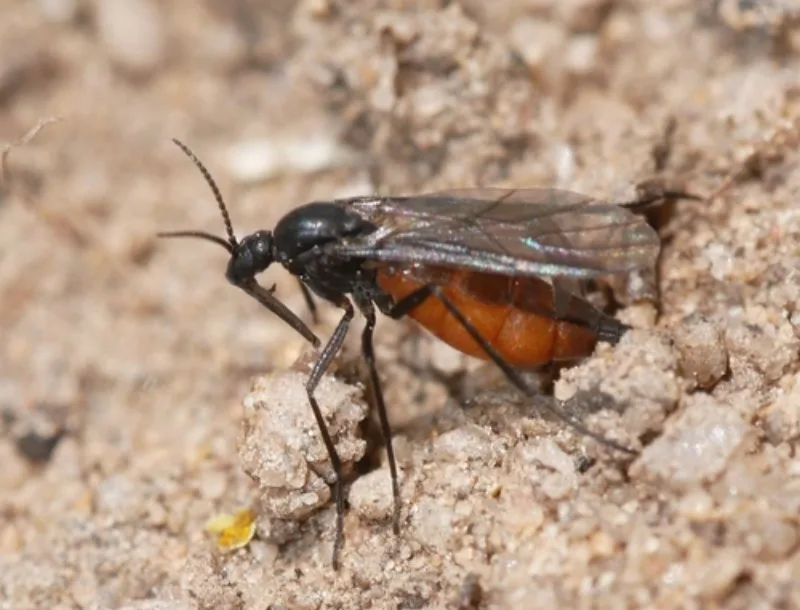
Verify fungus gnats (2–4 mm) before choosing a treatment.
- Delicate dark gray-black mosquito-like miniature fly with long slender legs and beaded antennae
- Weak erratic flier often seen running across potting soil or gathering at sunny windows
 STEP 02
Non-Chemical Removal First
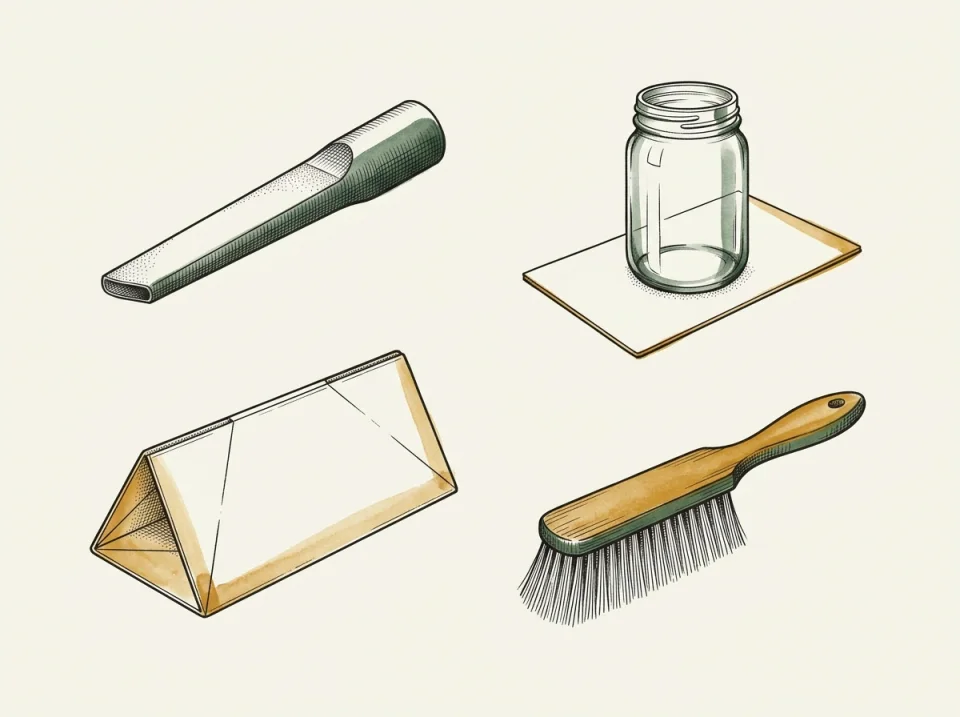
Start with mechanical removal, vacuuming, and traps to cut active numbers safely.
- Place yellow sticky stakes in pots to catch adults and water with Bti (Mosquito Bits tea) to eliminate soil larvae safely
 STEP 03
Home Exclusion Blueprint
Target indoor hiding spots: Overwatered houseplants, seedling trays, and damp potting soil.
- Allow the top 1–2 inches of houseplant soil to dry completely between waterings and empty saucers
- Use well-draining potting mix
 STEP 04
Outdoor Perimeter & Moisture
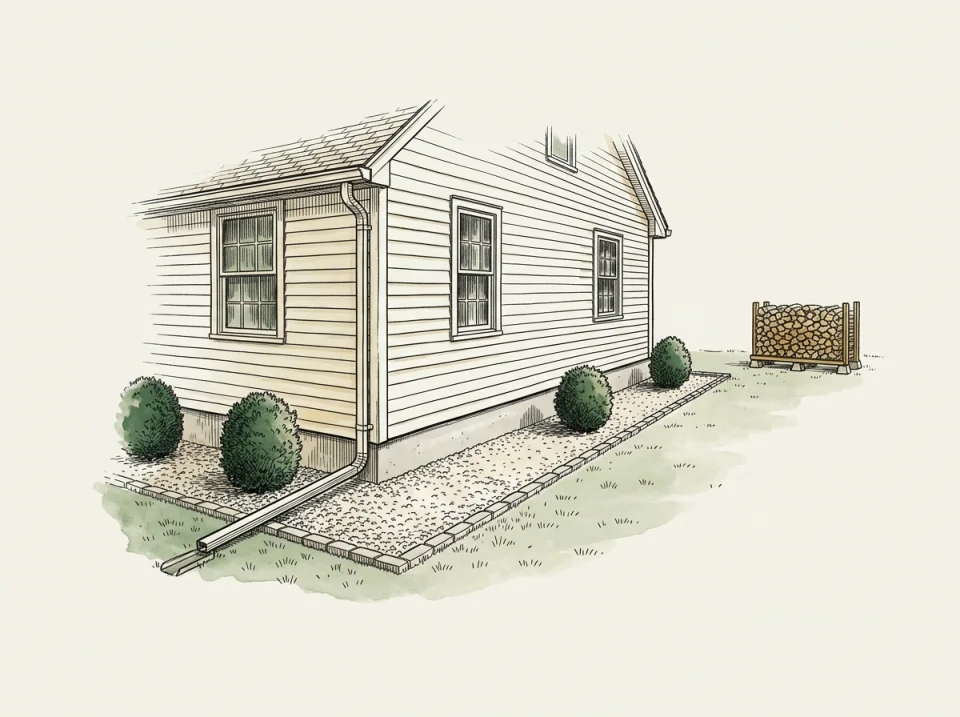
Inspect outdoor harboring zones: Moist compost, shaded mulched beds, and greenhouse soil.
- Allow the top 1–2 inches of houseplant soil to dry completely between waterings and empty saucers
- Use well-draining potting mix
Non-Chemical Control First: Detailed Checklist
- Place yellow sticky stakes in pots to catch adults and water with Bti (Mosquito Bits tea) to eliminate soil larvae safely
Long-Term Prevention & Exclusion
- Allow the top 1–2 inches of houseplant soil to dry completely between waterings and empty saucers
- Use well-draining potting mix
Confirm Fungus Gnats Size Before Treating
Quick Answer: To get rid of fungus gnats, let the top 1–2 inches of your houseplant soil dry completely, place yellow sticky stakes in pots to catch adults, and water with Bti (a "Mosquito Bits tea") to kill larvae in the soil. Fungus gnats (family Sciaridae) are a nuisance pest, not a health threat. Breaking their moisture-driven life cycle is what ends an infestation.
Step 1: Identify & Locate Harborages
Fungus gnats are tiny, dark, delicate flies with long legs and antennae. Adults are weak fliers that tend to run across soil or flutter near plants and windows. Their larvae are small, translucent worms with shiny black heads that live in the top layer of damp soil, feeding on fungi, organic matter, and sometimes fine plant roots.
Before you treat anything, find where they're breeding. You can usually trace an infestation to one or two consistently wet spots.
Common Indoor Harborages
- Overwatered houseplants, especially pots that never dry between waterings
- Seedling trays kept moist for germination
- Damp potting soil, including open bags stored indoors
Common Outdoor Harborages
- Moist compost piles and bins
- Shaded, mulched beds that stay wet
- Greenhouse soil and benches with constant humidity
A simple check is to tuck a slice of raw potato into the soil surface for a few days. If larvae gather underneath, you've confirmed an active breeding pot.
Step 2: Non-Chemical Removal Methods First
Effective fungus gnat control targets both stages at once. Adults lay the eggs, but larvae in the soil are the source of every new generation. These natural ways to get rid of fungus gnats work well together.
Trap the Adults
Place yellow sticky stakes directly in your pots, just above the soil line. Adults are attracted to the yellow color and get stuck. Replace cards when they fill up, and use them as a monitoring tool so you can see whether numbers are dropping.
Eliminate Larvae With Bti
Bti (Bacillus thuringiensis subspecies israelensis) is a naturally occurring bacterium that targets fly larvae while being gentle on people, pets, and plants. A common approach is to steep Mosquito Bits in water to make a "tea," then use it for your regular watering. Follow the product label for rates and repeat applications, since you'll need to reach new larvae as eggs hatch.
Dry Out the Soil
- Hold off watering until the top 1–2 inches of soil are completely dry.
- Empty saucers and cachepots so roots don't sit in standing water.
- Remove fallen leaves and decaying debris from the soil surface.
- Repot heavily infested plants into fresh, well-draining mix if the soil stays soggy.
Most fungus gnat removal efforts succeed within a few weeks when you combine traps, Bti, and drier soil. Expect a lag, because adults already flying will take time to die off.
Step 3: Long-Term Exclusion & Prevention
Once numbers drop, the goal is keeping conditions unfriendly. Learning how to prevent fungus gnats mostly comes down to watering habits and soil choice.
- Water on need, not schedule. Check soil with your finger and let the top 1–2 inches dry completely between waterings.
- Use well-draining potting mix. Mixes that hold less constant moisture are less attractive to egg-laying females.
- Empty saucers after watering. Standing water keeps the bottom of the pot wet.
- Inspect new plants. Check soil before bringing nursery plants indoors, and keep a sticky stake in them for a week or two.
- Store potting soil sealed. Open, damp bags can become breeding sites.
- Manage outdoor moisture. Turn compost regularly, avoid overwatering shaded mulch, and improve greenhouse drainage and airflow.
Keep a few yellow sticky stakes in your most-watered plants year-round. They act as an early warning system before a small problem grows.
EPA-Registered Treatments & When to Call a Licensed Pro
Most homeowners never need conventional insecticides for fungus gnats. If populations persist after several weeks of consistent IPM, look for EPA-registered products labeled specifically for fungus gnats on houseplants or in greenhouses. Many Bti products are themselves EPA-registered biological pesticides.
Always read and follow the EPA product label exactly, including rates, application sites, and safety precautions. The label is the law, and using a product on plants or areas not listed can harm plants, pets, or beneficial organisms. Avoid spraying adults with broad insecticides, since that rarely fixes the soil-dwelling larvae driving the problem.
Consider calling a licensed pest management professional if:
- Gnats continue despite dry soil, traps, and Bti for a month or more
- You have a large greenhouse, nursery, or commercial plant collection
- You suspect a hidden moisture source, such as a plumbing leak or damp crawlspace
- You're unsure whether the flies are actually fungus gnats
Getting Rid of Fungus Gnats: FAQs
Are fungus gnats harmful to people or pets?
No. Fungus gnats are a nuisance pest. They don't bite or sting, but heavy larval populations can damage the roots of seedlings and young plants.
How long does it take to get rid of fungus gnats?
With consistent drying, sticky traps, and Bti, most indoor infestations decline noticeably within two to four weeks. Continue treatment long enough to catch newly hatched larvae.
Does Bti hurt my houseplants?
Bti targets fly larvae and is considered safe for plants when used as directed. Always follow the product label for mixing rates and frequency.
Why do fungus gnats keep coming back?
Recurring gnats almost always point to soil that stays too wet. Let the top 1–2 inches dry between waterings, empty saucers, and switch to a well-draining potting mix.
Extension & EPA Sources
Always read and follow the label directions on any EPA-registered pest control product.