Drain Fly vs Fungus Gnat: How to Tell Them Apart Fast
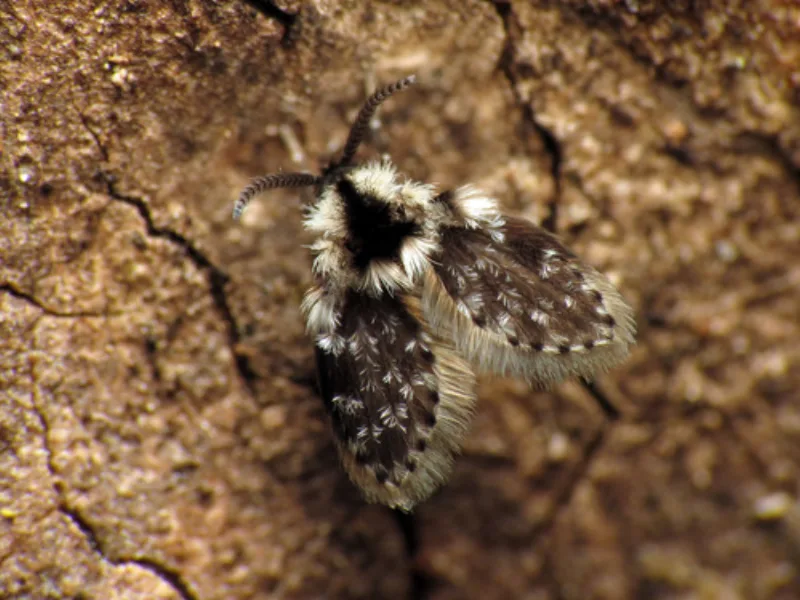
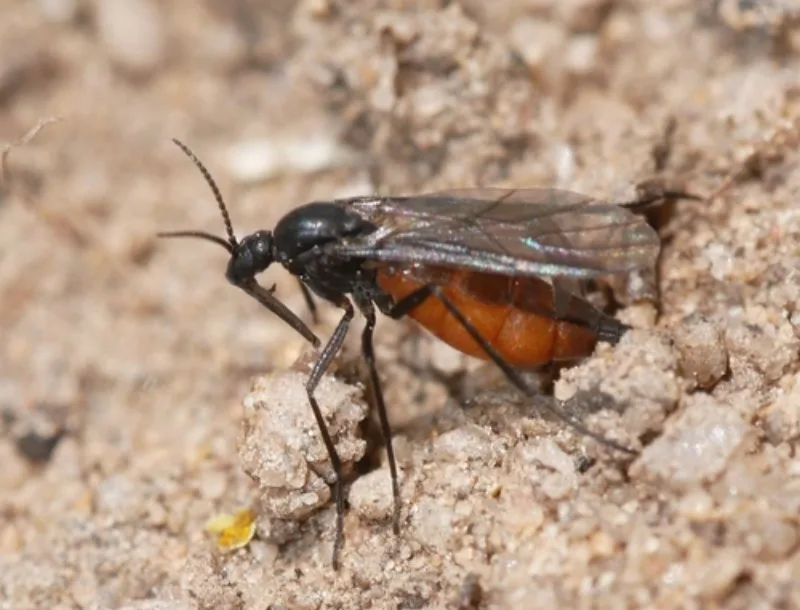
Quick ID Verdict: A drain fly (moth fly, family Psychodidae) is a fuzzy, moth-like fly with broad, hairy, heart-shaped wings held flat over its body like a roof. A fungus gnat (family Sciaridae) is a slender, dark, mosquito-like fly with long legs, beaded antennae, and clear narrow wings. If it looks furry and sits still on a bathroom wall, it is likely a drain fly. If it looks delicate and flits around houseplants, it is probably a fungus gnat.
Drain Fly
Fungus Gnat
Side-by-Side Comparison Table
| Trait | Drain Fly | Fungus Gnat |
|---|---|---|
| Scientific Group | Psychodidae | Sciaridae |
| Category | Insect | Insect |
| Typical Size | 2–5 mm | 2–4 mm |
| Danger Level | Nuisance | Nuisance |
| Bites or Stings? | No | No |
| Peak US Months | June, July, August, September | May, June, July, August |
| Key ID Trait | Tiny fuzzy gray-to-black moth-like fly with heart-shaped hairy wings held flat like a roof | Delicate dark gray-black mosquito-like miniature fly with long slender legs and beaded antennae |
Drain Fly vs. Fungus Gnat: True Size Comparison
Side-by-Side Anatomy Blueprint
Compare body segments, antennae, leg count, and key markings directly before treating or removing either species.
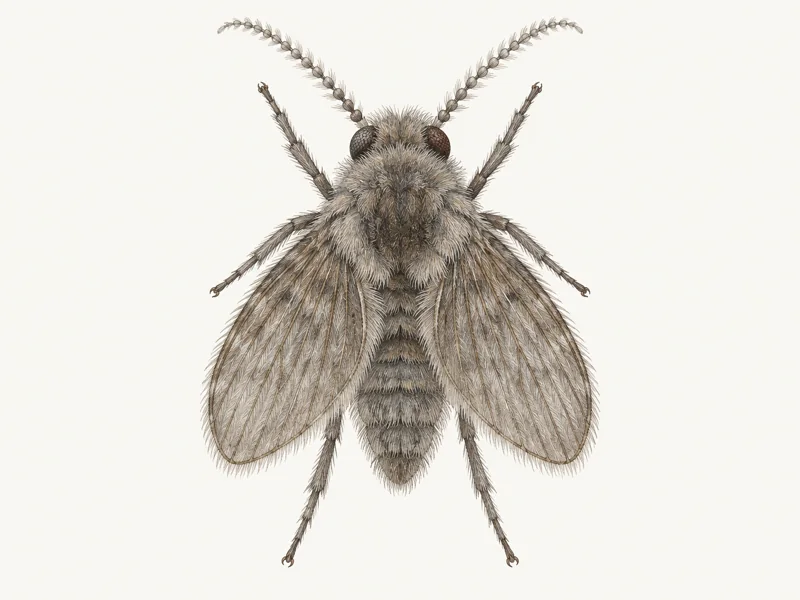
- Feathery beaded antennae: Curved, finely bristled dark antennae projecting from a tiny fuzzy head.
- Furry charcoal thorax: Densely hairy dark gray 2–4 mm body breeds exclusively in wet drain biofilm.
- Broad heart-shaped wings: Hazy, hair-covered leaf-shaped wings held roof-like out to the sides like a tiny moth.
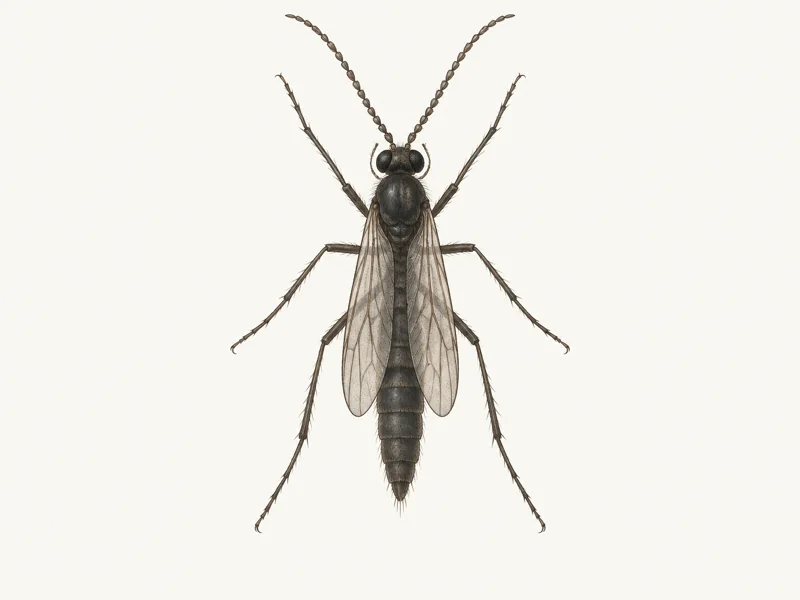
- Long beaded antennae: Curved segmented antennae with NO needle-like biting mosquito proboscis.
- Smoky Y-vein wings: Narrow tinted translucent wings showing a distinct Y-shaped fork vein near tip.
- Six long spindly legs: Delicate mosquito-like legs crawl rapidly across damp houseplant potting soil.
Key Visual & Physical Differences
Both insects are tiny, so drain fly vs fungus gnat identification comes down to body shape and wing texture rather than size. Drain flies measure about 2-5 mm, and fungus gnats run about 2-4 mm. A close look with a phone camera or magnifying glass usually settles the question.
Drain Flies (Moth Flies)
- Body: Short, stout, and covered in fine hairs that give a fuzzy, gray-to-black appearance.
- Wings: Broad, hairy, and heart-shaped, held flat or roof-like over the body at rest.
- Overall look: Resembles a miniature moth more than a fly.
- Movement: Weak, short, hopping flights, and often stays still on walls for long periods.
Fungus Gnats
- Body: Slender, delicate, and dark gray to black with a smooth, non-fuzzy look.
- Legs: Long and thin, making the insect look like a tiny mosquito.
- Antennae: Long and beaded, like a string of small segments.
- Wings: Clear or lightly smoky, narrow, and not covered in obvious hairs.
The simplest difference between drain fly and fungus gnat specimens is texture. Fuzzy and moth-like points to a drain fly, while thin and mosquito-like points to a fungus gnat.
Behavior, Habitat & Danger Comparison
Where the insects gather often tells a homeowner more than appearance does. Each species breeds in a very specific type of moist, organic material, and finding that source is the key to control.
Where Drain Flies Breed
Drain fly larvae live in the slimy organic film that builds up inside sink drains, shower drains, floor drains, and sump pits. They also turn up near leaky pipes, garbage disposals, and rarely used bathrooms. Adults are most often seen resting on walls and mirrors near these fixtures.
Where Fungus Gnats Breed
Fungus gnat larvae feed on fungi and decaying organic matter in damp soil. Indoors, this almost always means overwatered houseplants, potting mix, or bags of stored soil. Adults hover around pots and windows, and they may run across the soil surface.
Health and Property Risk
Both insects are rated as nuisance pests. Neither bites, stings, or transmits disease to people. Fungus gnat larvae can damage the fine roots of seedlings and stressed plants, while drain flies mainly signal a plumbing sanitation issue.
Which One Is Worse for Homeowners?
Neither pest is dangerous, but each points to a different problem. Drain flies suggest buildup in plumbing or a hidden leak, which can sometimes reflect a larger moisture issue. Fungus gnats usually suggest overwatering, which can harm valuable houseplants over time.
For most households, fungus gnats are the more persistent nuisance because they spread among plants. Drain flies tend to disappear quickly once drains are cleaned. Integrated Pest Management (IPM) works best for either insect:
Non-Chemical Control for Drain Flies
- Scrub drains with a stiff brush to remove the organic film where larvae live.
- Flush rarely used drains regularly and keep traps filled with water.
- Repair leaky pipes and dry out damp areas under sinks.
- Tape over a drain overnight. Adults stuck to the tape confirm the breeding site.
Non-Chemical Control for Fungus Gnats
- Let the top inch or two of soil dry out between waterings.
- Empty saucers and avoid standing water under pots.
- Use yellow sticky cards to trap adults and monitor numbers.
- Repot heavily infested plants in fresh, sterile potting mix.
If sanitation and moisture control fall short, enzyme-based drain cleaners or products labeled for fungus gnat larvae may help. Always read and follow the EPA product label exactly, including use sites and safety precautions.
Frequently Asked Questions
How can someone tell if it's a drain fly or fungus gnat?
Check the wings and location. Fuzzy, heart-shaped wings near a drain mean a drain fly, while slender bodies with long legs near houseplants mean a fungus gnat.
Do drain flies or fungus gnats bite?
No. Both are nuisance pests that do not bite or sting people or pets.
Will bleach get rid of drain flies?
Bleach often flows past the organic film without removing it. Mechanical scrubbing and enzyme-based cleaners are more effective, used according to label directions.
Why do fungus gnats keep coming back?
They return when soil stays consistently moist. Letting soil dry between waterings breaks their life cycle and prevents new generations.