How to Get Rid of Mud Daubers: Safe, Simple Removal and Prevention
Quick Action Plan: The easiest way to get rid of mud daubers is to scrape their mud tubes off with a putty knife in autumn or early morning, then wash away the leftover mud stains. These solitary wasps in the family Sphecidae are a nuisance, not a danger, so you rarely need chemical sprays. Keep garage doors closed during midday summer hours to stop new nests from forming.
4-Step Visual IPM Removal & Exclusion Protocol
Follow Integrated Pest Management in order—verify the species, remove active individuals mechanically, seal indoor entry points, and modify outdoor habitat before considering any EPA-registered product.
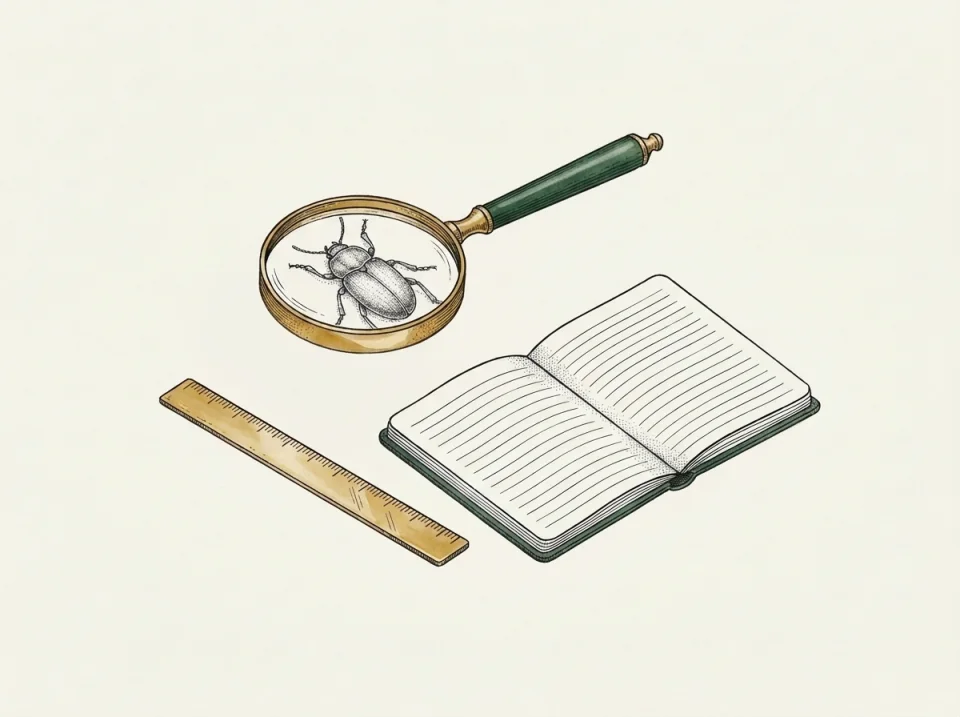 STEP 01
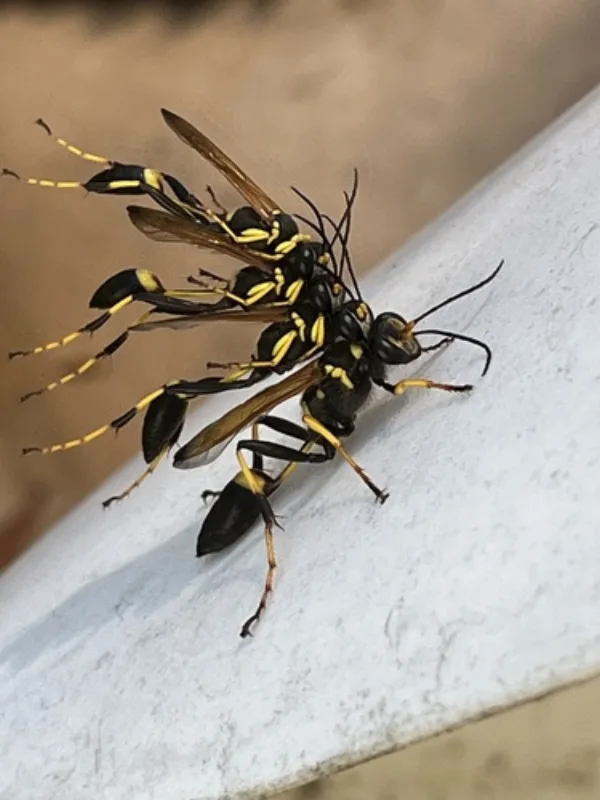
Confirm Species & Signs
Verify mud daubers (18–28 mm) before choosing a treatment.
- Solitary wasp with an extraordinarily long, thread-thin waist
- Shiny metallic blue, black, or black-and-yellow coloration
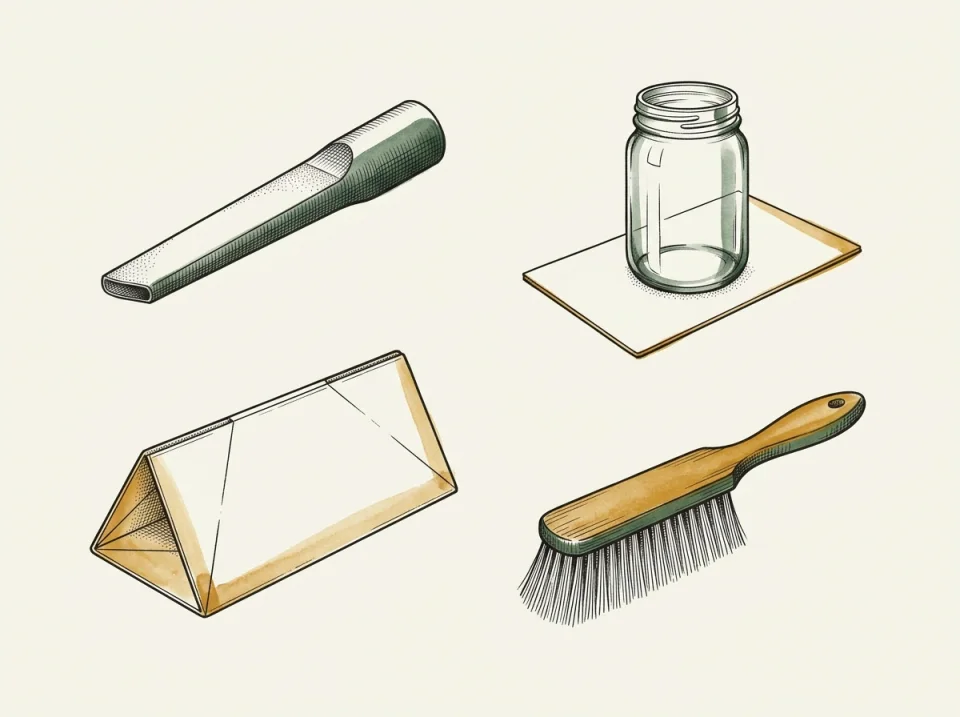 STEP 02
Non-Chemical Removal First
Start with mechanical removal, vacuuming, and traps to cut active numbers safely.
- Scrape mud tubes gently with a putty knife in autumn or early morning; no chemical sprays needed
 STEP 03
Home Exclusion Blueprint
Target indoor hiding spots: Garages, barns, and sheltered porch alcoves.
- Keep garage doors closed during midday summer hours
- Scrape off old dried mud nests and wash away remaining mud stains
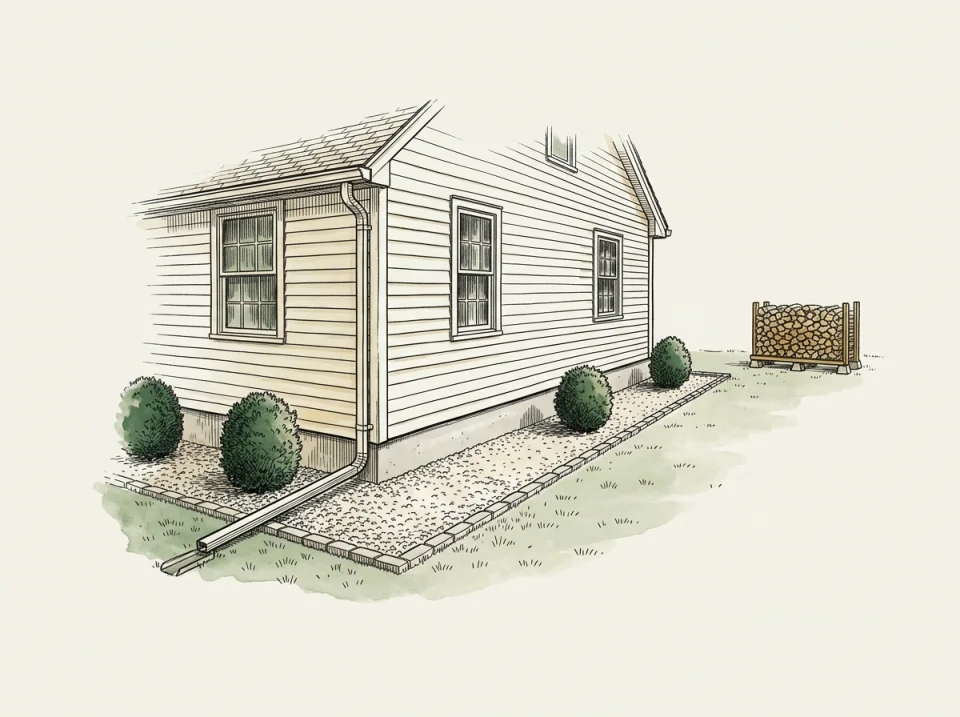 STEP 04
Outdoor Perimeter & Moisture
Inspect outdoor harboring zones: Brick walls, soffits, overhangs, and outdoor equipment near muddy puddles.
- Keep garage doors closed during midday summer hours
- Scrape off old dried mud nests and wash away remaining mud stains
Non-Chemical Control First: Detailed Checklist
- Scrape mud tubes gently with a putty knife in autumn or early morning; no chemical sprays needed
Long-Term Prevention & Exclusion
- Keep garage doors closed during midday summer hours
- Scrape off old dried mud nests and wash away remaining mud stains
Confirm Mud Daubers Size Before Treating
Quick Answer: The easiest way to get rid of mud daubers is to scrape their mud tubes off with a putty knife in autumn or early morning, then wash away the leftover mud stains. These solitary wasps in the family Sphecidae are a nuisance, not a danger, so you rarely need chemical sprays. Keep garage doors closed during midday summer hours to stop new nests from forming.
Quick Action Plan
Find the nests, remove them gently with a putty knife when the wasps are least active, and clean the surface so no old mud remains. Then reduce access to sheltered spots like garages and porch alcoves. This simple routine handles most mud dauber control problems without pesticides.
Step 1: Identify & Locate Harborages
Mud daubers are slender, thread-waisted wasps that build nests from mud rather than paper. Their nests look like clusters of hardened mud tubes, sometimes stacked side by side like organ pipes, or lumpy mud masses plastered to a flat surface. Each tube holds paralyzed spiders that feed the developing larvae.
Where to Look Indoors
Check sheltered, low-traffic spaces where the wasps can work undisturbed. Common indoor sites include:
- Garages, especially on ceilings, rafters, and wall corners
- Barns and outbuildings with open doors or gaps
- Sheltered porch alcoves protected from rain
Where to Look Outdoors
Outside, mud daubers favor protected vertical and overhead surfaces. Inspect these areas carefully:
- Brick walls, particularly under ledges
- Soffits and overhangs along the roofline
- Outdoor equipment such as grills, mowers, and stored machinery
- Any of these spots near muddy puddles, which supply nest-building material
A nest with small round holes usually means adults have already emerged. A sealed, intact nest may still contain developing wasps.
Step 2: Non-Chemical Removal Methods First
Integrated Pest Management (IPM) starts with the least invasive option, and for mud daubers that option works very well. According to UF/IFAS Extension guidance, you can simply scrape off the mud tubes. No chemical sprays are needed.
How to Scrape Nests Safely
- Pick your timing: Work in autumn or early morning, when wasps are inactive or absent.
- Use a putty knife: Slide the blade gently behind the nest and pry it loose in one piece if possible.
- Bag and discard: Drop the nest into a sealed bag and place it in the trash.
- Wash the surface: Use water and a brush to clear away leftover mud stains.
These are the most effective natural ways to get rid of mud daubers. Mud daubers are generally docile and rarely sting unless handled, but wearing gloves and long sleeves is still sensible.
Step 3: Long-Term Exclusion & Prevention
Once nests are gone, focus on making your property less inviting. Learning how to prevent mud daubers mostly comes down to limiting access and removing signs of past nesting.
- Close garage doors during midday summer hours, when wasps are most active.
- Scrape off old dried mud nests promptly, even empty ones.
- Wash away remaining mud stains so surfaces look clean and unclaimed.
- Reduce muddy puddles near your home by improving drainage where practical.
- Cover or store outdoor equipment in closed spaces when not in use.
Regular seasonal checks of soffits, overhangs, and porch corners will help you catch new nests early, while they are still small.
EPA-Registered Treatments & When to Call a Licensed Pro
For most homes, chemical treatments are unnecessary for mud dauber removal. Because these wasps are solitary and do not defend large colonies, scraping and exclusion usually solve the problem. If you choose a pesticide for any reason, use only an EPA-registered product and follow the label exactly, including where and how it may be applied.
Consider calling a licensed pest control professional if:
- Nests are on high or hard-to-reach surfaces that require ladders
- You find heavy, recurring nesting on a barn or large structure
- You are unsure whether you are dealing with mud daubers or a more aggressive wasp
If anyone is stung and has a strong reaction, contact a doctor right away or call US Poison Control at 1-800-222-1222. Do not rely on home remedies for venom reactions.
Getting Rid of Mud Daubers: FAQs
Do mud daubers sting?
They can, but it is uncommon. Mud daubers are solitary, non-aggressive wasps and typically sting only when handled or trapped.
Is it safe to knock down a mud dauber nest?
Yes, for most people. Scrape it gently with a putty knife in autumn or early morning, when wasps are least active, and wear gloves for added comfort.
Do I need a spray to get rid of mud daubers?
No. Scraping nests and washing away mud stains is usually enough. If you do use a product, choose an EPA-registered one and follow the label.
Why do mud daubers keep coming back?
Sheltered spots near muddy puddles attract them year after year. Keep garage doors closed at midday in summer and remove old nests so returning wasps find fewer suitable sites.
Extension & EPA Sources
Always read and follow the label directions on any EPA-registered pest control product.