How to Get Rid of Asian Lady Beetles: A Homeowner's Guide
Quick Action Plan: To get rid of Asian lady beetles, vacuum indoor clusters using a nylon stocking inside the hose wand so you never crush or stain anything. Then seal exterior window frames, siding seams, and attic vents before October to keep the next wave out.
4-Step Visual IPM Removal & Exclusion Protocol
Follow Integrated Pest Management in order—verify the species, remove active individuals mechanically, seal indoor entry points, and modify outdoor habitat before considering any EPA-registered product.
 STEP 01
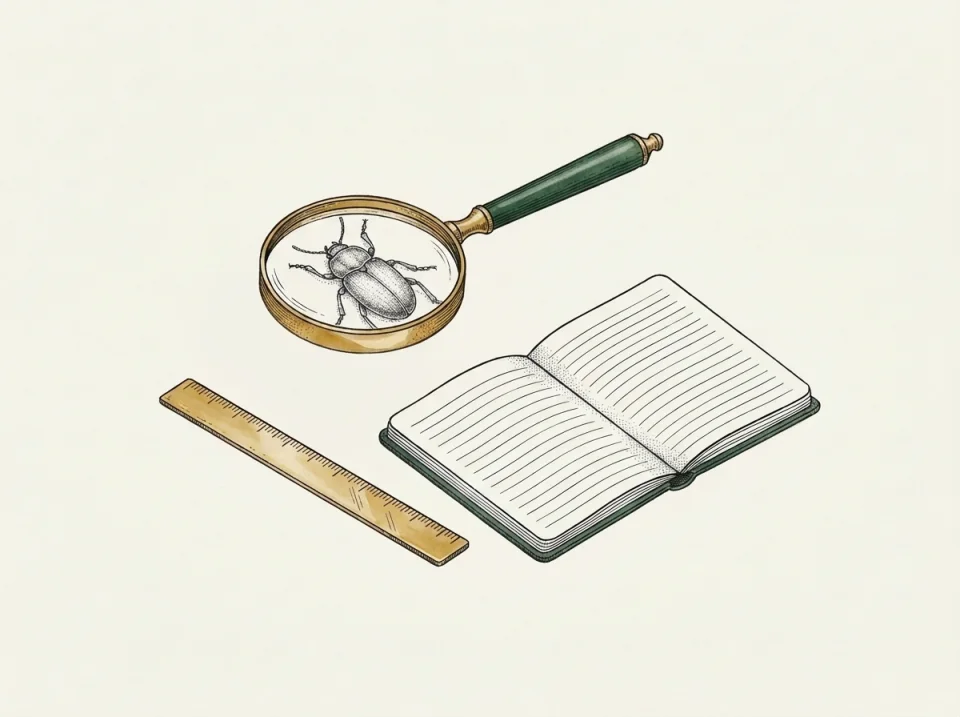
Confirm Species & Signs
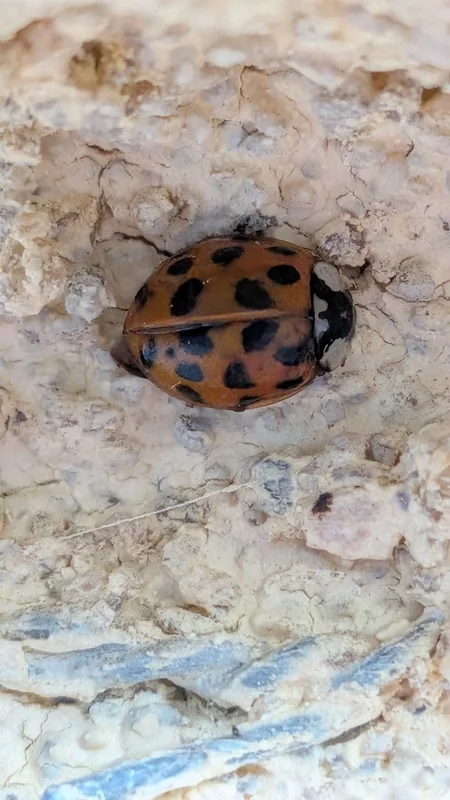
Verify asian lady beetles (5–8 mm) before choosing a treatment.
- Dome-shaped orange, yellow, or red beetle with 0 to 19 black spots
- Identified from native ladybugs by the distinct black 'M' or 'W' marking on the white plate behind the head
 STEP 02
Non-Chemical Removal First
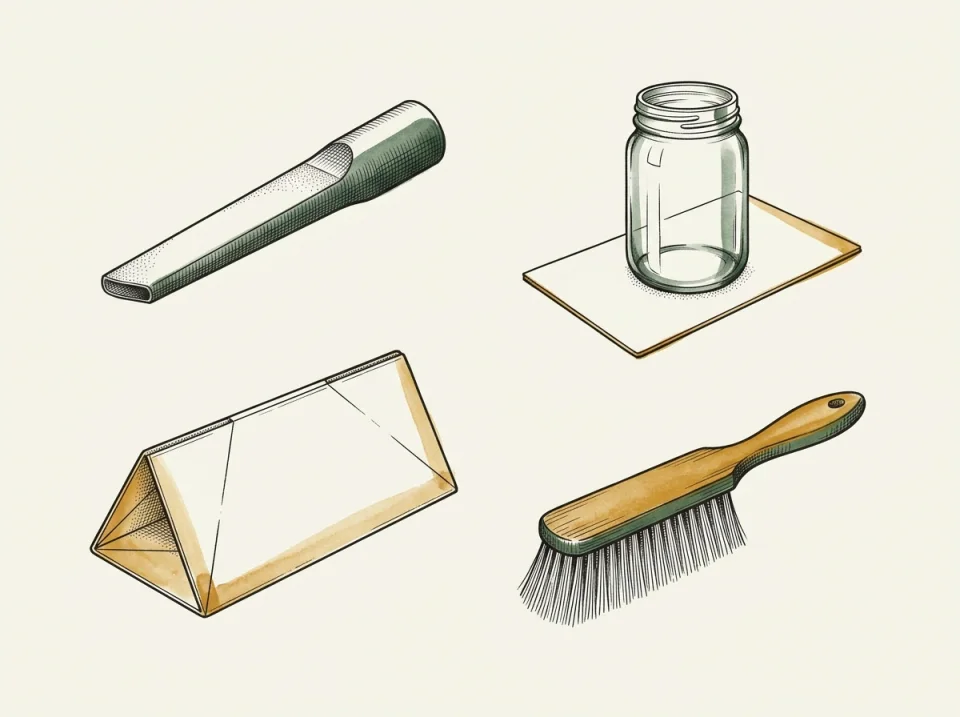
Start with mechanical removal, vacuuming, and traps to cut active numbers safely.
- Vacuum indoor clusters with a nylon stocking inserted into the hose wand so beetles can be released or discarded cleanly without staining walls
 STEP 03
Home Exclusion Blueprint
Target indoor hiding spots: Attics, sunny window frames, ceiling corners, and wall voids in autumn and late winter.
- Caulk exterior window frames, siding seams, and attic vents before October
- Repair damaged window screens and door sweeps
 STEP 04
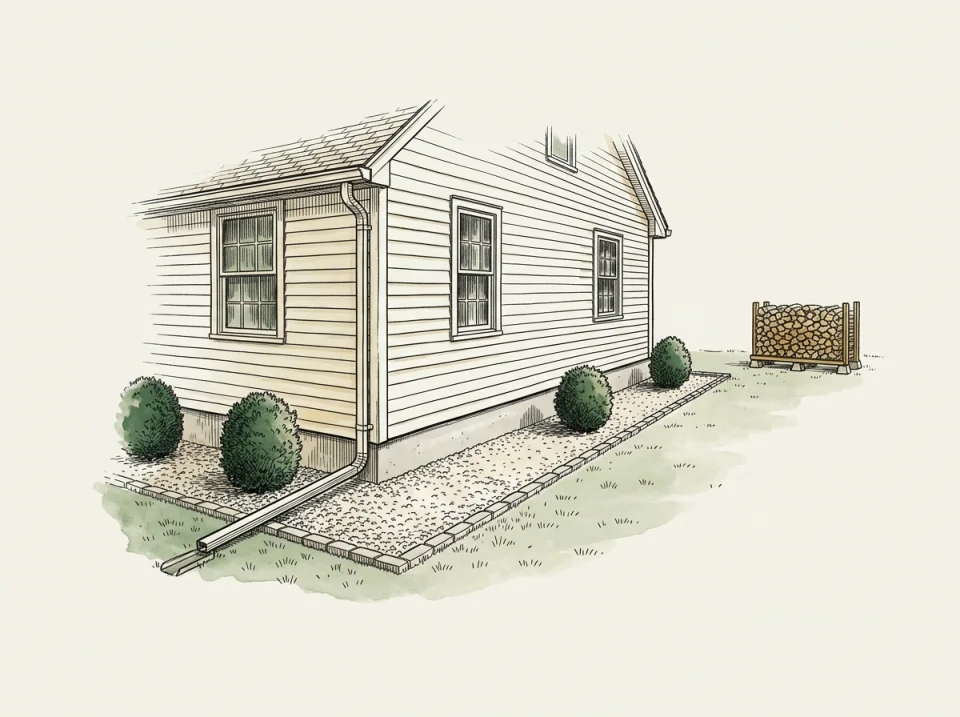
Outdoor Perimeter & Moisture
Inspect outdoor harboring zones: Trees, gardens, and agricultural fields (beneficial aphid predators outdoors).
- Caulk exterior window frames, siding seams, and attic vents before October
- Repair damaged window screens and door sweeps
Non-Chemical Control First: Detailed Checklist
- Vacuum indoor clusters with a nylon stocking inserted into the hose wand so beetles can be released or discarded cleanly without staining walls
Long-Term Prevention & Exclusion
- Caulk exterior window frames, siding seams, and attic vents before October
- Repair damaged window screens and door sweeps
Confirm Asian Lady Beetles Size Before Treating
Quick Answer: To get rid of Asian lady beetles, vacuum indoor clusters using a nylon stocking inside the hose wand so you never crush or stain anything. Then seal exterior window frames, siding seams, and attic vents before October to keep the next wave out. Asian lady beetles (Harmonia axyridis) are a nuisance, not a health threat, so non-chemical control should always come first.
Quick Action Plan: Find where the beetles gather, remove them gently by vacuum, and close the gaps they use to get inside. Save sprays for exterior problem spots, and always follow the EPA product label. Most homes see big improvements within one season of steady exclusion work.
Step 1: Identify & Locate Harborages
The multicolored Asian lady beetle is a rounded, dome-shaped beetle that ranges from pale yellow-orange to deep red, with anywhere from zero to many black spots. Many have a black "M" or "W" marking on the white area just behind the head. That marking is a quick way to tell them apart from native lady beetles.
Outdoors, these beetles live in trees, gardens, and agricultural fields, where they are actually helpful predators of aphids. Trouble starts in autumn, when they hunt for sheltered spots to spend the winter. Sunny, light-colored walls on the south and west sides of a house tend to draw the biggest groups.
Where to Look Indoors
- Attics: Check around vents, rafters, and insulation edges.
- Sunny window frames: Beetles gather along sills and tracks on warm days.
- Ceiling corners: Look for clusters in upper corners of rooms.
- Wall voids: Beetles hide inside walls and often reappear in late winter as the house warms.
Seeing beetles in February or March usually means they overwintered inside your walls, not that new ones are getting in. Note the rooms where they show up most, since that points to nearby entry gaps.
Step 2: Non-Chemical Removal Methods First
The best natural way to get rid of Asian lady beetles indoors is a vacuum with a simple modification. Slip a nylon stocking into the hose wand and secure it with a rubber band, letting the stocking hang inside the tube. The beetles collect in the stocking instead of the vacuum bag.
When you're done, pull out the stocking, tie it shut, and either release the beetles outdoors or discard them. This method matters because crushed or disturbed beetles release a yellowish fluid that can stain walls, curtains, and fabrics and leaves an unpleasant odor.
Removal Tips That Prevent Stains
- Never swat or squash beetles on walls or upholstery.
- Avoid sweeping, which can crush them and smear the stain.
- Vacuum clusters as soon as you see them, especially on sunny afternoons when they're active.
- Empty the stocking promptly so beetles don't crawl back out.
Indoor sprays are rarely a good choice. Dead beetles left inside wall voids can attract other pests, and the vacuum works faster for visible clusters.
Step 3: Long-Term Exclusion & Prevention
If you want to know how to prevent Asian lady beetles from coming back, exclusion is the answer. Timing is everything: the work needs to be done before the beetles start moving in autumn. Aim to finish by the end of September.
Seal Before October
- Caulk gaps around exterior window frames and door trim.
- Seal siding seams, especially on sunny south- and west-facing walls.
- Cover or screen attic vents so beetles can't slip through while airflow is preserved.
- Seal openings where pipes, cables, and outdoor faucets enter the house.
Repair Screens and Doors
- Patch or replace damaged window screens.
- Install or replace worn door sweeps on exterior doors.
- Check weatherstripping around garage and basement doors.
Remember that these beetles help control aphids in your trees and garden. The goal is to keep them out of your home, not to eliminate them from your yard.
EPA-Registered Treatments & When to Call a Licensed Pro
For heavy, recurring infestations, an exterior barrier treatment can support your exclusion work. These products are applied to the outside of the house, around windows, eaves, and siding, shortly before beetles begin seeking shelter in the fall. Always read and follow the EPA product label, including timing, application sites, and safety precautions.
Consider calling a licensed pest management professional if:
- Large numbers return every year despite sealing and vacuuming.
- Beetles are entering through high eaves, rooflines, or attic areas you can't safely reach.
- You'd prefer expert help with exterior treatments or a full inspection of entry points.
A professional can pair targeted applications with sealing work for lasting Asian lady beetle control. Avoid foggers and broad indoor spraying, which do little against beetles hidden in wall voids.
Getting Rid of Asian Lady Beetles: FAQs
Are Asian lady beetles dangerous?
No. They are considered a nuisance pest. They may occasionally pinch skin, and their fluid can stain surfaces, but they don't damage wood or infest food.
Why do Asian lady beetles come inside in the fall?
They look for protected spots to spend the winter. Sunny walls, window frames, and attics give them warmth and shelter, so they crawl through small gaps to get indoors.
Why am I seeing beetles in late winter?
Beetles that overwintered in your walls or attic become active as indoor temperatures rise. They usually aren't new arrivals, so vacuum them up and plan to seal gaps before next October.
What's the fastest way to handle Asian lady beetle removal indoors?
Use a vacuum with a nylon stocking inside the hose wand. It removes clusters quickly without crushing the beetles or staining your walls.
Extension & EPA Sources
- Ohio State University Extension — Multicolored Asian Lady Beetle
- GBIF Global Biodiversity Occurrence Records
Always read and follow the label directions on any EPA-registered pest control product.