How to Get Rid of Pantry Moths: A Step-by-Step IPM Guide
Quick Action Plan: To get rid of pantry moths (Indianmeal moths, Plodia interpunctella), throw out every infested package in your outdoor trash. Then vacuum all shelf cracks and pin holes, scrub shelves with hot soapy water, and hang pheromone traps to monitor activity. Store dry goods in thick airtight glass or hard-plastic containers so the moths can't return.
4-Step Visual IPM Removal & Exclusion Protocol
Follow Integrated Pest Management in order—verify the species, remove active individuals mechanically, seal indoor entry points, and modify outdoor habitat before considering any EPA-registered product.
 STEP 01
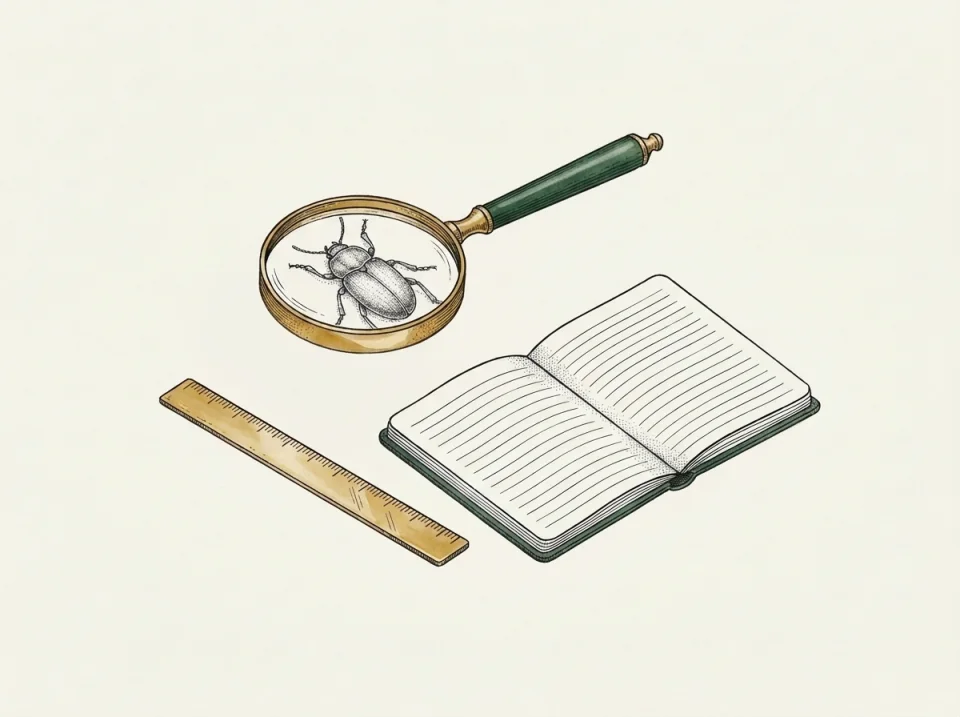
Confirm Species & Signs
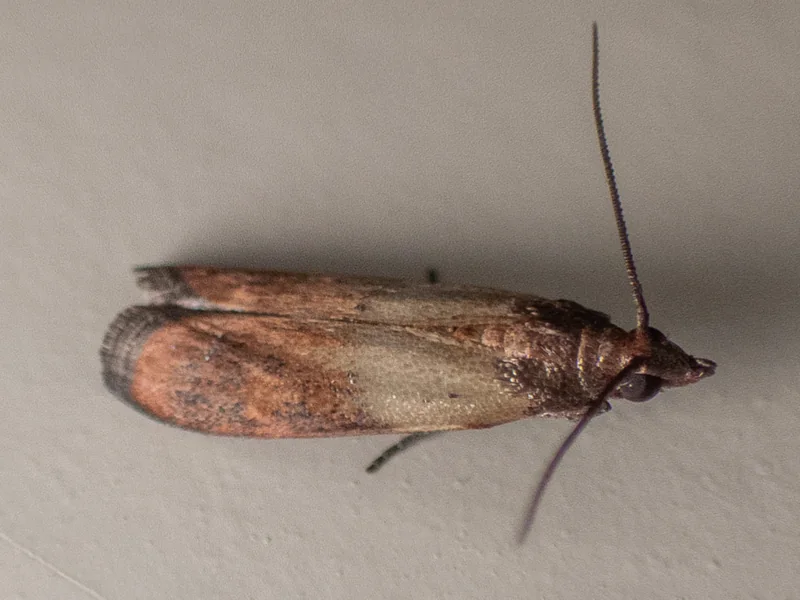
Verify pantry moths (indianmeal moths) (8–10 mm) before choosing a treatment.
- Distinctive two-toned wings: pale grayish-tan inner third and coppery reddish-brown outer two-thirds
- Creamy-white caterpillars with brown heads spin silken webbing inside flour, cereal, nuts, and pet food
 STEP 02
Non-Chemical Removal First
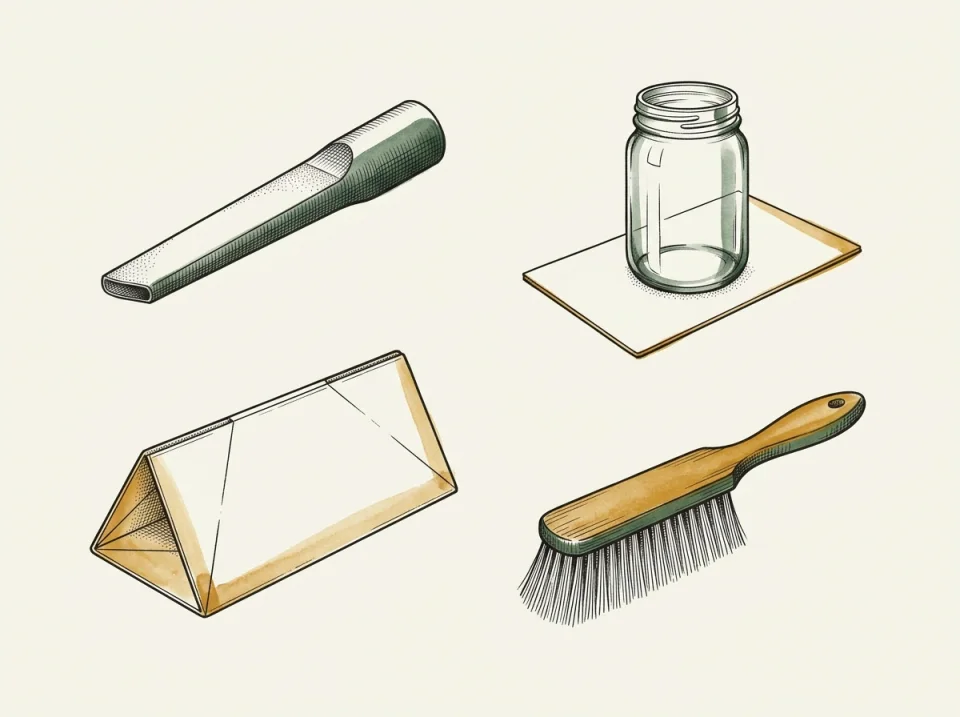
Start with mechanical removal, vacuuming, and traps to cut active numbers safely.
- Discard every infested package in outdoor trash, vacuum all cabinet shelf cracks/pin holes, scrub shelves with hot soapy water, and hang Indianmeal moth pheromone traps to monitor males
 STEP 03
Home Exclusion Blueprint
Target indoor hiding spots: Kitchen pantries, dry grains, birdseed, chocolate, spices, dried fruit, and shelf pin holes.
- Transfer flour, rice, oats, nuts, and pet kibble into thick airtight glass or hard-plastic containers immediately after purchase
- Freeze newly purchased bulk grains or birdseed for 4 days at 0°F
 STEP 04
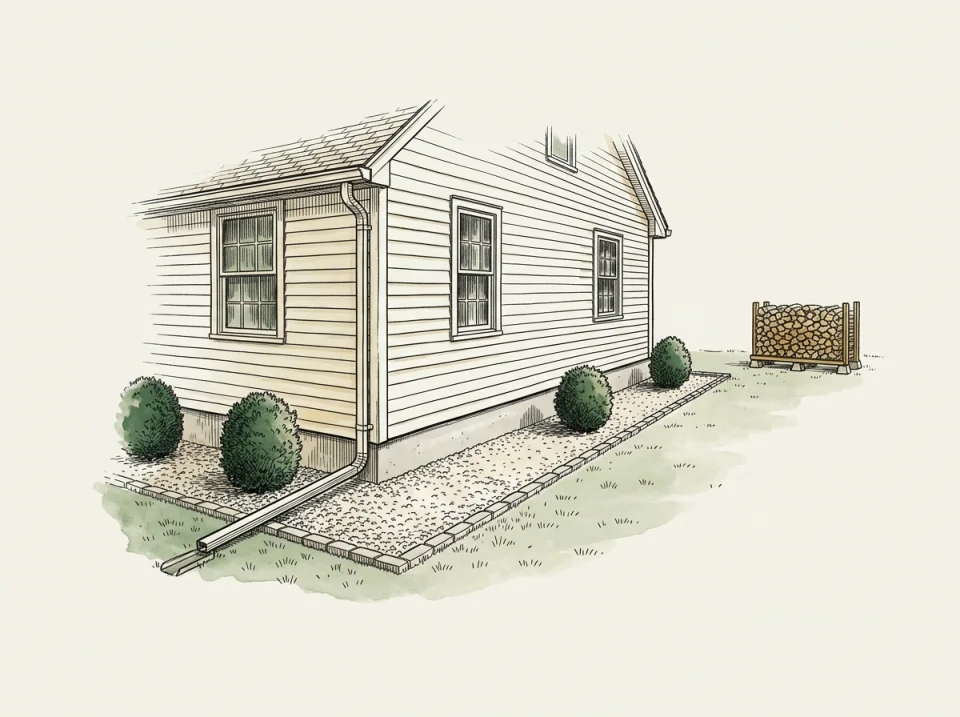
Outdoor Perimeter & Moisture
Inspect outdoor harboring zones: Occasionally enter via contaminated bulk grain or birdseed bags.
- Transfer flour, rice, oats, nuts, and pet kibble into thick airtight glass or hard-plastic containers immediately after purchase
- Freeze newly purchased bulk grains or birdseed for 4 days at 0°F
Non-Chemical Control First: Detailed Checklist
- Discard every infested package in outdoor trash, vacuum all cabinet shelf cracks/pin holes, scrub shelves with hot soapy water, and hang Indianmeal moth pheromone traps to monitor males
Long-Term Prevention & Exclusion
- Transfer flour, rice, oats, nuts, and pet kibble into thick airtight glass or hard-plastic containers immediately after purchase
- Freeze newly purchased bulk grains or birdseed for 4 days at 0°F
Confirm Pantry Moths (Indianmeal Moths) Size Before Treating
Quick Answer: To get rid of pantry moths (Indianmeal moths, Plodia interpunctella), throw out every infested package in your outdoor trash. Then vacuum all shelf cracks and pin holes, scrub shelves with hot soapy water, and hang pheromone traps to monitor activity. Store dry goods in thick airtight glass or hard-plastic containers so the moths can't return.
Quick Action Plan
Pantry moths are a nuisance pest, not a health threat. They don't bite or sting, but their larvae contaminate food with webbing, droppings, and shed skins. Effective pantry moth control comes down to three moves: find the source, remove it completely, and seal up everything you keep.
Step 1: Identify & Locate Harborages
Adult Indianmeal moths are small, with forewings that look reddish-copper on the outer half and pale gray near the body. You'll often spot them fluttering in a zigzag pattern around the kitchen at dusk. The adults don't feed on your food, though. The real damage comes from the cream-colored larvae.
Signs of an Infestation
- Silky webbing inside food packages or clumping in flour and grains
- Small, pale caterpillars crawling on shelves, walls, or ceilings
- Tiny holes chewed through bags or cardboard boxes
- Cocoons tucked into corners, lid seams, or cabinet hinges
Where Pantry Moths Hide
Check every dry food item in your kitchen, not just the obvious ones. Indianmeal moths infest a wide range of products, so you need to be thorough.
- Flour, rice, oats, cereal, and pasta
- Birdseed and dry pet kibble
- Chocolate, nuts, spices, and dried fruit
- Shelf pin holes and cracks in cabinet joints, where larvae often pupate
Moths also show up indoors through contaminated bulk grain or birdseed bags. If you buy in bulk or keep birdseed in a garage, inspect those first.
Step 2: Non-Chemical Removal Methods First
The most reliable natural ways to get rid of pantry moths are sanitation and physical removal. Sprays won't reach larvae hidden inside food, so cleaning is the heart of pantry moth removal.
Discard Infested Food
Seal every infested package in a plastic bag and take it straight to your outdoor trash. Don't leave it in the kitchen bin, where larvae can crawl back out. If you're unsure about an opened item, it's safer to toss it.
Vacuum Every Crack and Pin Hole
Empty your cabinets completely. Use a crevice tool to vacuum shelf corners, seams, hinges, and every adjustable shelf pin hole. Afterward, empty the vacuum canister or bag into an outdoor trash can right away.
Scrub Shelves With Hot Soapy Water
Wash all shelves, walls, and cabinet doors with hot soapy water. This removes eggs, webbing, and food residue that larvae feed on. Let surfaces dry fully before you restock.
Hang Pheromone Traps
Indianmeal moth pheromone traps attract and capture male moths. They're best used to monitor activity rather than eliminate an infestation on their own. If you keep catching moths weeks after cleaning, there's likely a hidden food source you missed.
Step 3: Long-Term Exclusion & Prevention
Once your pantry is clean, the next goal is to keep it that way. Knowing how to prevent pantry moths matters most, since a single infested bag can restart the whole cycle.
Use Airtight Containers
Transfer flour, rice, oats, nuts, and pet kibble into thick airtight glass or hard-plastic containers as soon as you get home. Larvae can chew through thin plastic bags and cardboard, but sturdy sealed containers stop them. Containers also confine any infestation you bring home to a single jar.
Freeze New Bulk Purchases
Freeze newly purchased bulk grains or birdseed for 4 days at 0°F. This kills any eggs or larvae hiding inside before they can spread. It's an easy habit that pays off, especially for birdseed and large bags of grain.
Everyday Habits
- Rotate stock so older products get used first
- Wipe up crumbs and spills promptly
- Store birdseed and pet food away from your kitchen pantry
- Keep a pheromone trap in place as an early-warning system
EPA-Registered Treatments & When to Call a Licensed Pro
Most homeowners never need insecticides for pantry moths. Thorough cleaning and proper storage solve the problem in nearly every case. Spraying near food can also cause contamination without reaching larvae inside packages.
If you choose a product, use only one that is EPA-registered and labeled for pantry pests in kitchen settings. Always read and follow the EPA product label exactly, including directions on food contact, ventilation, and reentry. Never spray directly onto food or food-prep surfaces unless the label allows it.
Consider calling a licensed pest management professional if:
- Moths keep appearing for several weeks after a full cleanout
- You suspect the source is inside walls, appliances, or hard-to-reach areas
- You store large quantities of grain, birdseed, or feed
- You run a home-based food business with stricter standards
Getting Rid of Pantry Moths (Indianmeal Moths): FAQs
How long does it take to get rid of pantry moths?
After a thorough cleanout, you should notice far fewer moths within a few weeks. Since eggs and pupae may survive in hidden cracks, keep monitoring with pheromone traps for at least a couple of months.
Are pantry moths harmful to people?
No. Indianmeal moths are a nuisance pest and don't bite or sting. However, you should discard food contaminated with larvae, webbing, or droppings.
Do pheromone traps get rid of pantry moths on their own?
Not usually. The traps catch only male moths, so they work best for monitoring. Removing infested food and cleaning shelves are what actually end the infestation.
Can I save food that has pantry moths in it?
It's best to throw away any visibly infested product in your outdoor trash. For unopened items you suspect were exposed, freezing for 4 days at 0°F can kill hidden eggs and larvae.
Extension & EPA Sources
Always read and follow the label directions on any EPA-registered pest control product.